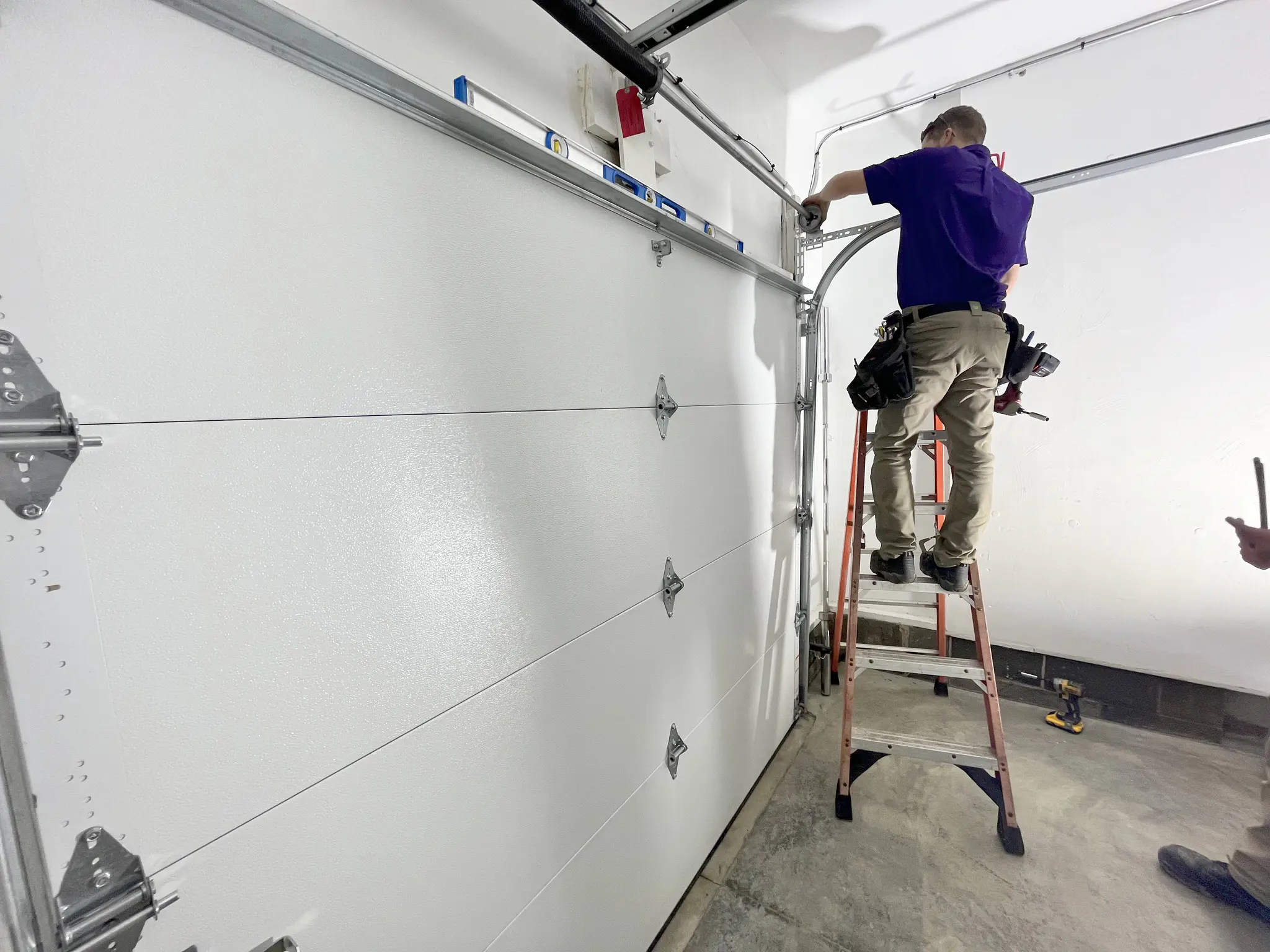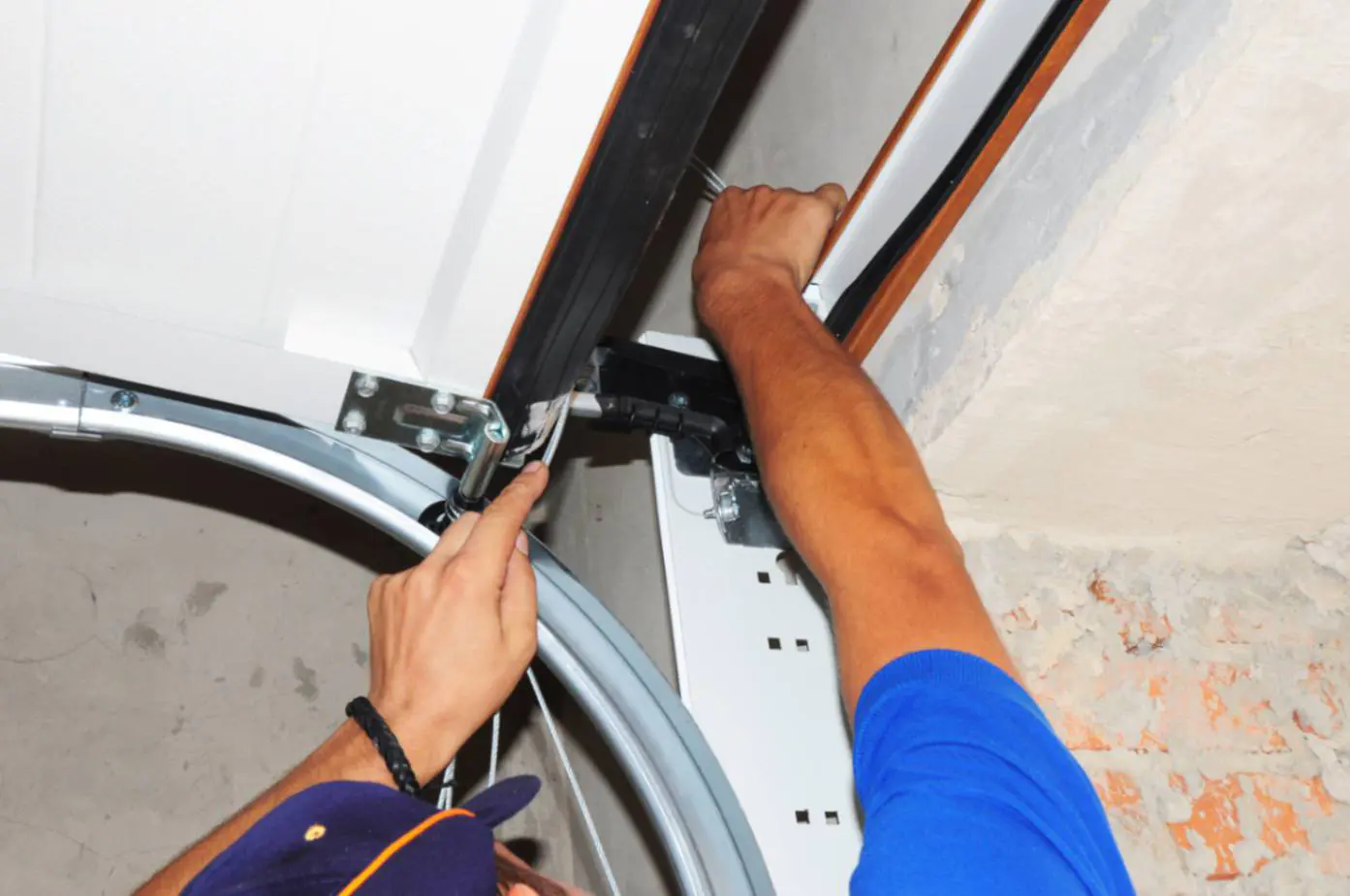
Garage door cables operate under constant tension to lift and lower the door with each cycle, and when one fails, the entire system is compromised. Understanding what causes garage door cables to break helps homeowners act before a minor issue turns into a complete breakdown.
Cable failures rarely occur without a reason, and most trace back to conditions that build up gradually over months or even years of use. Knowing those root causes gives homeowners the knowledge to spot warning signs early and take the right steps toward garage door cable repair.
What Happens When Garage Door Cable Breaks?
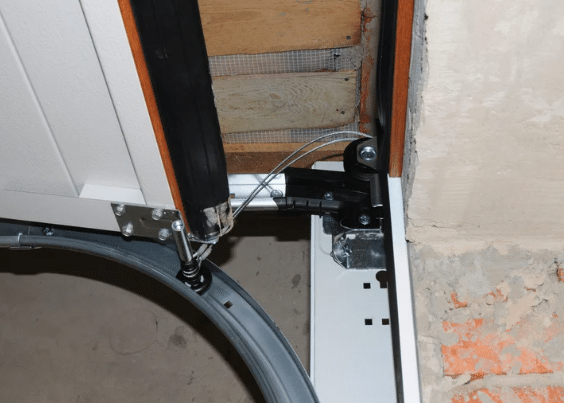
When a garage door cable breaks, the mechanical support the door depends on disappears instantly, and the load that was shared across the system transfers directly to the springs, tracks, and opener.
Here is what happens to the system the moment a cable fails:
- A snapped cable drops the door unevenly and strains the tracks and drums
- The torsion spring and extension springs take on excess tension from the missing cable
- The opener keeps cycling and burns out the motor over time
- Bottom brackets and rollers crack and bend from the uneven pressure
- One broken cable left unaddressed becomes a full system breakdown
To understand what these warning signs look like before a cable fails, read our guide on Is It Safe to Operate a Garage Door With a Broken Cable?, which covers the risks homeowners face when a damaged cable is left unaddressed.
Top Causes of Broken Garage Door Cables
Age and Regular Wear and Tear
Cables go through hundreds of cycles every year, and that constant mechanical stress gradually breaks down the steel strands from the inside out.
Watch for these age-related warning signs:
- Frayed or thinning strands are visible along the cable length
- High-use doors wear out cables significantly faster than average
- Steel strands lose tensile strength before visible damage appears
- Older garage doors are more prone to sudden cable failure
- Annual inspections catch wear patterns before the cable snaps
Seasonal inspections that check for fraying and thinning give homeowners the earliest opportunity to schedule garage door repair before the cable fails.
Rust and Corrosion
Moisture exposure steadily degrades garage door cables, and Spring Hill’s year-round humidity makes corrosion a constant, accelerating threat.
Here is how corrosion damages cables:
- Rust eats through the outer strands and weakens the cable core
- Corroded cables become brittle and snap under normal load
- Unventilated garages trap humidity directly around metal components
- Coastal air and ground moisture speed up surface rust on steel cables
- A cable that looks intact on the outside may already be severely corroded inside
Applying lubricant every six months creates a moisture barrier that slows rust formation on steel cables.
Spring Failure
Torsion springs and extension springs share the load with the cables on every cycle, and a broken spring shifts that entire load onto the cables without warning.
Here is how spring failure leads to cable damage:
- A broken garage door spring transfers its full load to the cable immediately
- Torsion spring failure puts sudden, uneven pressure across both cables
- Extension springs that snap can whip and physically damage the cable
- Cable breaks and spring breaks frequently happen at the same time
- Replacing only the cable without inspecting the springs leads to repeated failures
Inspecting both the springs and cables together during any repair is the only way to confirm the full extent of the damage.
Improper Tension
Cable tension must be evenly balanced on both sides of the door, and any imbalance creates accelerated wear on the side carrying the heavier load.
Watch for these tension-related problems:
- Cables with too much slack slip off the drum during operation
- Uneven tension causes one cable to wear faster than the other
- Improper installation from a previous repair is a common source of tension problems
- Loose cables rub against surrounding hardware and fray ahead of schedule
- A garage door cable broke on one side is a reliable sign of a tension imbalance
Proper garage door installation by a licensed technician is the only way to confirm that cable tension is set correctly on both sides.
Misaligned Tracks or Drums
Track and drum alignment directly affects how the cable winds and travels during every cycle, and even a small misalignment creates friction that compounds with each use.
Here is how misalignment damages cables:
- Off-track movement forces the cable to travel at an angle during every cycle
- Drums out of position cause uneven winding that frays the cable edge
- Jerky movement during operation is a common sign of a track or drum issue
- Forcing an open garage door that is off its track puts immediate stress on the cable
- A cable that slips off the drum gets shredded by contact with surrounding metal parts
Any misalignment found during a cable inspection is a direct signal that garage door track repair is needed alongside the cable work.
Damaged Pulleys
Pulleys guide the cable along its path with every movement, and worn or cracked pulleys create friction that grinds the cable down over time.
Here is what damaged pulleys do to cables:
- Worn pulley grooves allow the cable to slip out of its guided path
- Cracked or seized pulleys create grinding contact that frays the cable surface
- Unlubricated pulleys generate friction that accelerates cable wear
- Damage to one pulley creates uneven cable travel across the entire system
- Pulley replacement during a cable repair prevents the new cable from wearing prematurely
Replacing damaged pulleys at the same time as the cable is one of the most practical steps toward extending the life of the repair.
Spring Hill’s Humidity and Heat
High humidity and intense heat create a harsh environment for garage door cables, and the resulting deterioration occurs faster than most homeowners expect.
Here is how the local climate affects cable condition:
- Year-round humidity keeps metal surfaces exposed to moisture almost constantly
- Summer heat causes repeated expansion and contraction in the cable strands
- Unventilated garages trap heat and moisture around cable hardware
- Salt air from nearby coastal areas accelerates surface corrosion on steel cables
- Cables in Spring Hill need more frequent inspection and lubrication than average
Keeping the garage ventilated and applying lubricant consistently are the most practical ways to slow climate-related cable wear in Spring Hill.
Warning Signs That Garage Door Cables Are Failing
Garage door cables give visible and audible warning signs well before they snap, and missing those signs leads to an unexpected breakdown.
These are the most common signs that garage door cables are failing:
- An uneven or tilting door when fully closed indicates a lost cable support
- Fraying, kinking, or slack on the cable surface means the steel strands are breaking down
- Snapping, grinding, or scraping sounds signal that the cable is under abnormal stress
- A heavier-than-normal door means the cable is no longer carrying its load
- An opener that strains or stops mid-cycle is responding to a failing cable
Any of these signs points to cable issues that need a professional inspection before the door stops working completely.
What to Do When a Garage Door Cable Breaks
A broken garage door cable requires immediate action, and the steps taken in the first few minutes directly affect how much additional damage occurs.
Follow these steps the moment a garage door cable breaks:
- Stop operating the door immediately to prevent further stress on the tracks, springs, and opener
- Disconnect the garage door opener to eliminate any accidental activation
- Do a visual check from a safe distance to assess which cable broke and whether other components are affected
- Avoid touching the cables, springs, or bottom brackets during the inspection
- Call a licensed garage door technician to handle the repair safely and correctly
To make an informed decision about what comes next, read our guide on Broken Garage Door Cables: When to Repair or Replace, which walks homeowners through the key factors that determine whether a cable repair or full replacement is the right call.
When to Call a Professional for Garage Door Cable Repair
Cable repair involves high spring tension and heavy components, requiring specialized tools and proper training.
Know when it is time to call a professional for cable repair:
- A cable has visibly snapped, frayed, or slipped off the drum entirely
- The door is stuck open, closed, or moving at an uneven angle
- A broken spring is found alongside the damaged cable
- The opener is straining, stalling, or refusing to complete a cycle
- Previous DIY attempts have not resolved the problem or have made it worse
To weigh the options before scheduling a repair, read our guide on Garage Door Cable Repair: DIY or Hire a Pro?, which breaks down the risks, requirements, and real costs of handling cable work without professional help.
How to Prevent Garage Door Cables From Breaking
Consistent maintenance is the most practical way to extend the life of garage door cables and avoid unexpected failures.
These are the most effective ways to prevent garage door cables from breaking:
- Schedule a professional inspection annually to check cable tension, fraying, and corrosion
- Lubricate the cables, pulleys, and drums with silicone or lithium-based lubricant every six months
- Replace worn springs, pulleys, and bottom brackets before they stress the cables
- Keep the garage ventilated to reduce moisture and slow rust formation
- Address unusual noises or uneven movement before they develop into a cable failure
Following these maintenance steps consistently protects the entire garage door system and keeps cable repair calls to a minimum.
Tackle the Causes of Garage Door Cable Failure Head-On
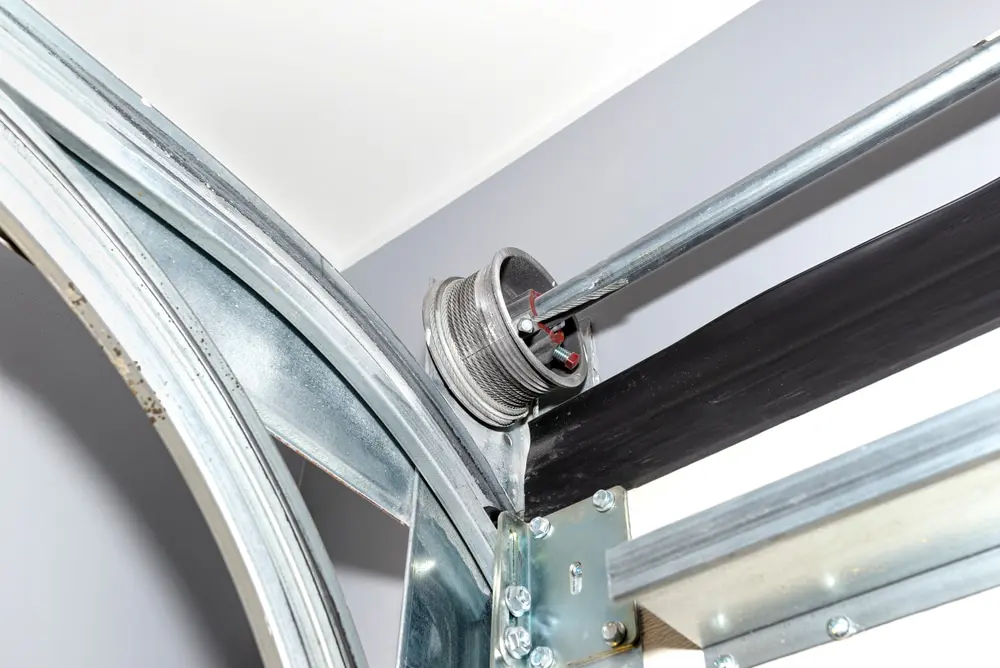
Garage door cables break due to wear, corrosion, tension imbalances, and components left too long without attention. Understanding these causes is the best position to act before a cable failure disrupts the entire system.
Florida Garage Door Pros provides honest inspections, accurate diagnostics, and reliable garage door cable repair for homeowners across Spring Hill, Florida. Contact us or give us a call today, and let our team assess what the system needs to keep every cable and component working at its best.
Frequently Asked Questions
How can I safely fix a broken garage door cable myself?
Garage door cable repair involves working near high-tension springs that store enough mechanical energy to cause serious injury if released without proper tools and training. Calling a licensed technician is the safest and most reliable course of action for any cable-related repair.
What are the common signs that my garage door cable needs to be replaced?
The most common signs include visible fraying or slack along the cable, uneven door movement, snapping or grinding sounds during operation, and an opener that strains or stalls mid-cycle. Any one of these signs is enough reason to schedule a professional inspection before the cable fails completely.
Is it dangerous to use my garage door with a broken or loose cable?
Yes. Operating the door with a broken or loose cable puts the springs, tracks, and opener under extreme stress and creates a risk of serious injury to anyone near the door. Stop all use of the door until a licensed technician has completed the repair and confirmed the system is safe to operate.
How much does it usually cost to repair or replace a garage door cable?
Garage door cable repair cost varies depending on the extent of the damage, the number of cables that need replacement, and whether other components are affected. Getting a written estimate from a licensed technician before the work begins is the best way to understand the full scope of the repair.
Can I buy garage door replacement cables at hardware stores like Home Depot?
Yes. Replacement cables are available at some hardware stores, but using the wrong cable for a specific door can create tension issues that lead to repeated failures. A licensed technician will always source and install the correct cable for the job.
What are the steps to replace the torsion spring cables on a garage door?
Replacing torsion spring cables involves releasing spring tension, removing the old cable, threading the new one, and rewinding the spring to the correct tension. This process requires calibrated winding bars and professional training to complete without risk of injury.
Why did my garage door cable come off the drum, and how do I fix it?
A cable comes off the drum due to tension imbalance, track misalignment, or a broken spring. Knowing how to fix a broken cable on a garage door starts with identifying the root cause, which a licensed technician can assess and correct safely.
Are garage door cables on older garage doors different from those on newer models?
Yes. Older garage doors often use different cable lengths, diameters, and attachment styles compared to newer models. Installing a cable that does not match the door's specifications creates tension problems and leads to premature failure.
Should I call a professional to fix my garage door cable, or is it a DIY job?
Yes, calling a professional is the right call. High spring tension, heavy door weight, and precise installation requirements make cable repair one of the most hazardous garage door jobs to attempt without proper training. A professional repair gives homeowners peace of mind and ensures the job is done correctly.