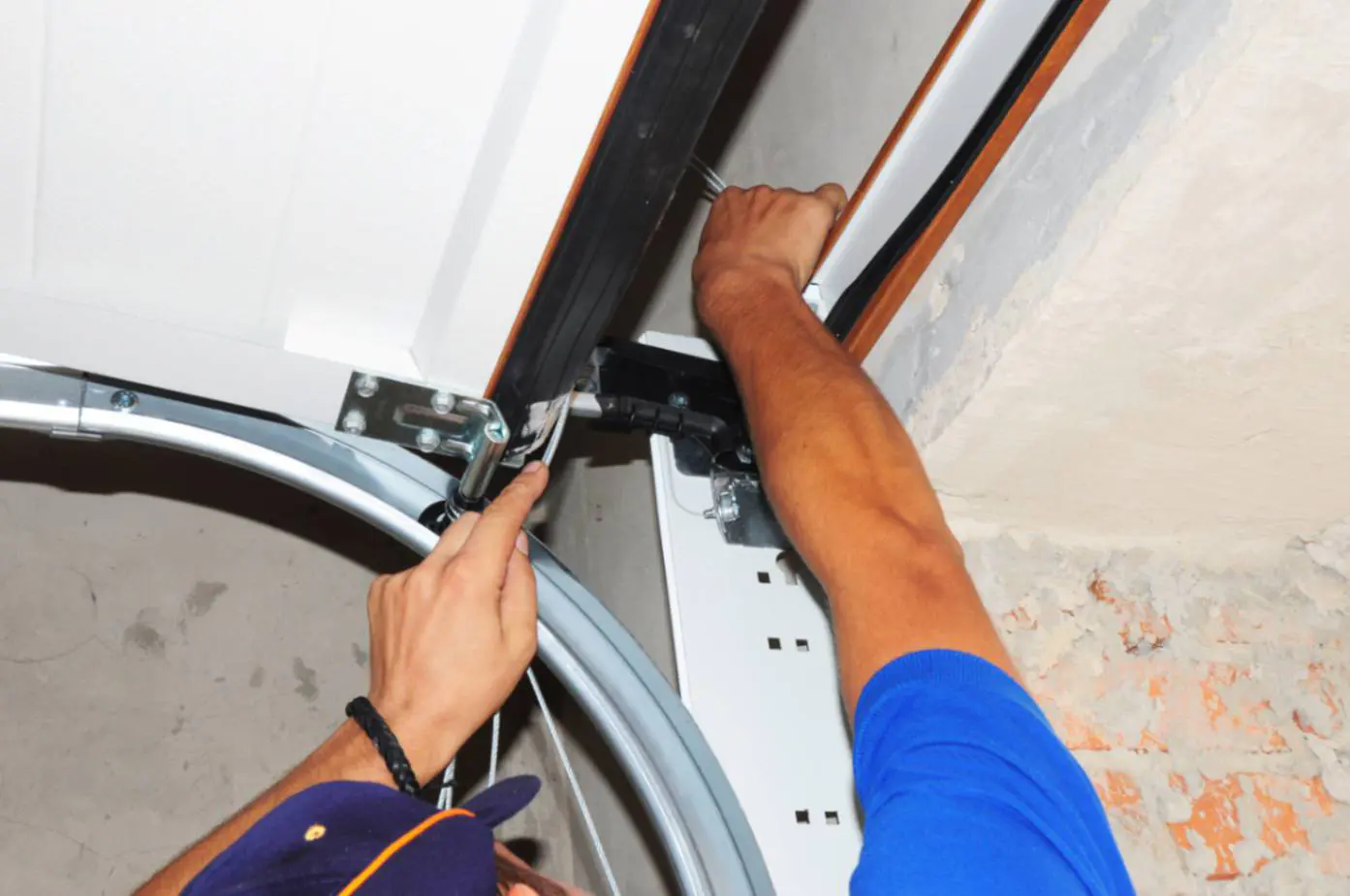
Garage door cables carry the full weight of the door every time it opens and closes, and when one fails, the entire system becomes unpredictable. That single failure is what forces every homeowner to face the same question: is this a repair to handle personally or one to hand off to a professional?
Garage door cable repair involves spring tension, heavy components, and precision installation, all of which can go wrong in ways that are not always obvious. Whether DIY is an option depends entirely on the condition of the cable, the type of system involved, and what the job actually requires.
Why Garage Door Cable Repair Is Not a Job for Everyone
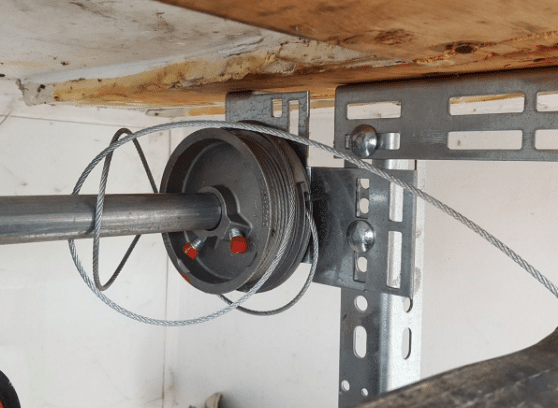
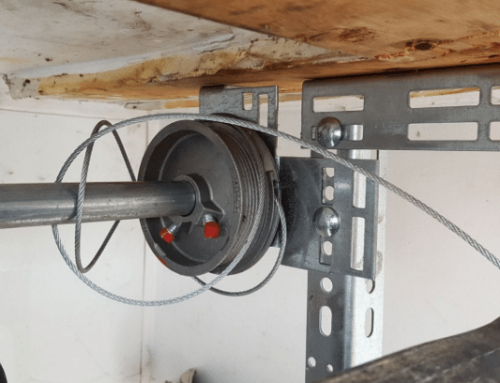
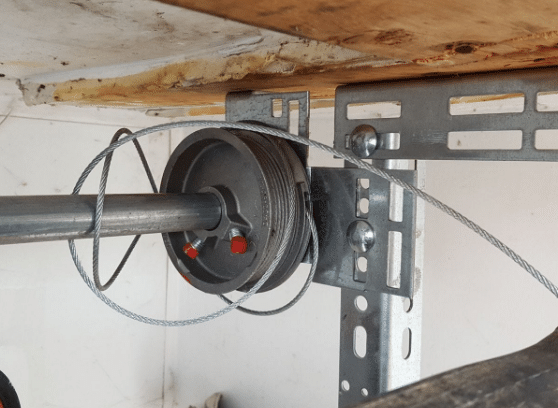
Garage door cables work with the springs, drums, and brackets to carry the door’s full weight through every cycle, and when a cable fails, the wrong repair approach can make everything worse.
Here is why this repair demands the right person for the job:
- Spring tension alone can cause serious injury without the right training
- A poorly routed cable will fail again and damage the drum and track
- A door with a failed cable can drop or jam without any warning
- One wrong move can turn a cable failure into full system damage
- A slipped cable and a snapped cable are not the same repair
To understand what drove the cable to the point of failure, read our guide on What Causes Garage Door Cables to Break?, which covers the stress patterns and root causes a technician looks for before complete failure occurs.
What Happens When Garage Door Cable Breaks
A broken garage door cable triggers a chain reaction throughout the entire system, which worsens the longer it goes unaddressed.
Here is what happens when a garage door cable breaks:
- The door loses balanced support and tilts or drops to one side
- The garage door opener strains against the uneven load and may shut down
- Bottom brackets shift out of position and stress the surrounding hardware
- The torsion spring or extension springs take on a load they were not designed to carry alone
- Track misalignment develops as the door pulls unevenly through each cycle
To know when a cable repair is enough and when full replacement is the better call, read our guide on Broken Garage Door Cables: When to Repair or Replace, which walks through how professionals assess the damage before recommending a fix.
Garage Door Cable Repair: Who Should Handle It?
When DIY Is an Option
DIY is only realistic when the cable is still intact, no spring tension needs adjusting, and basic tools are enough to complete the job.
Conditions where DIY may be appropriate:
- The cable slipped off the drum, but shows no fraying or structural damage
- No spring tension adjustment or winding bar work is required
- Hands-on experience with overhead door systems is already in place
- Personal protective equipment is available and ready to use
- Vice grips and basic hand tools are all the job needs
Anything beyond these conditions stops being a DIY adjustment and starts becoming a job for emergency garage door repair services.
When You Need to Hire a Professional
Cable replacement and any repair involving spring tension require a licensed technician with the right tools and training.
Hire a professional when any of these apply:
- Cables are frayed, kinked, or fully snapped and need complete replacement
- Torsion spring cables need re-routing, requiring springs to be unwound and re-wound
- Extension spring systems show wear alongside the broken cable
- Track misalignment developed after the cable broke
- The garage door opener is malfunctioning, alongside the cable failure
Most cable failures fall into this category, and professional garage door repair is the only call that protects both the system and everyone around it.
The Real Risks of DIY Garage Door Cable Repair
DIY garage door cable repair carries risks that go far beyond a simple mistake, and most of them are not visible until something in the system has already failed.
Here is what makes this repair genuinely dangerous without professional help:
- Torsion spring tension can release with enough force to cause serious injury
- Incorrect cable routing puts an uneven load on the drum, track, and bottom brackets
- Working alone leaves no support for the door’s weight if something releases
- The wrong cable gauge puts stress on every connected component
- Skipping a system inspection leaves the root cause of the failure unaddressed
To gauge whether operating the door during or after a cable failure is worth the risk, read our guide on Is It Safe to Operate a Garage Door With a Broken Cable?, which covers exactly what professionals look for before clearing a door for use.
How Professionals Handle Garage Door Cable Repair
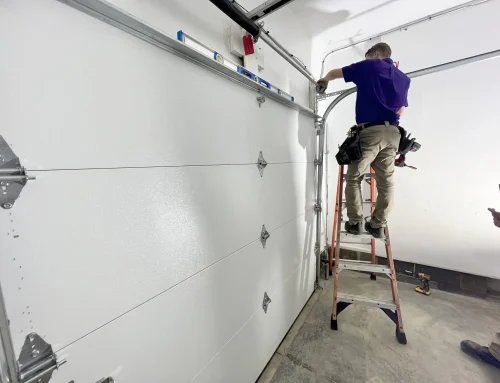
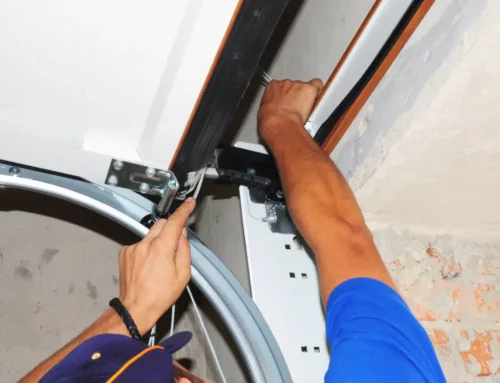
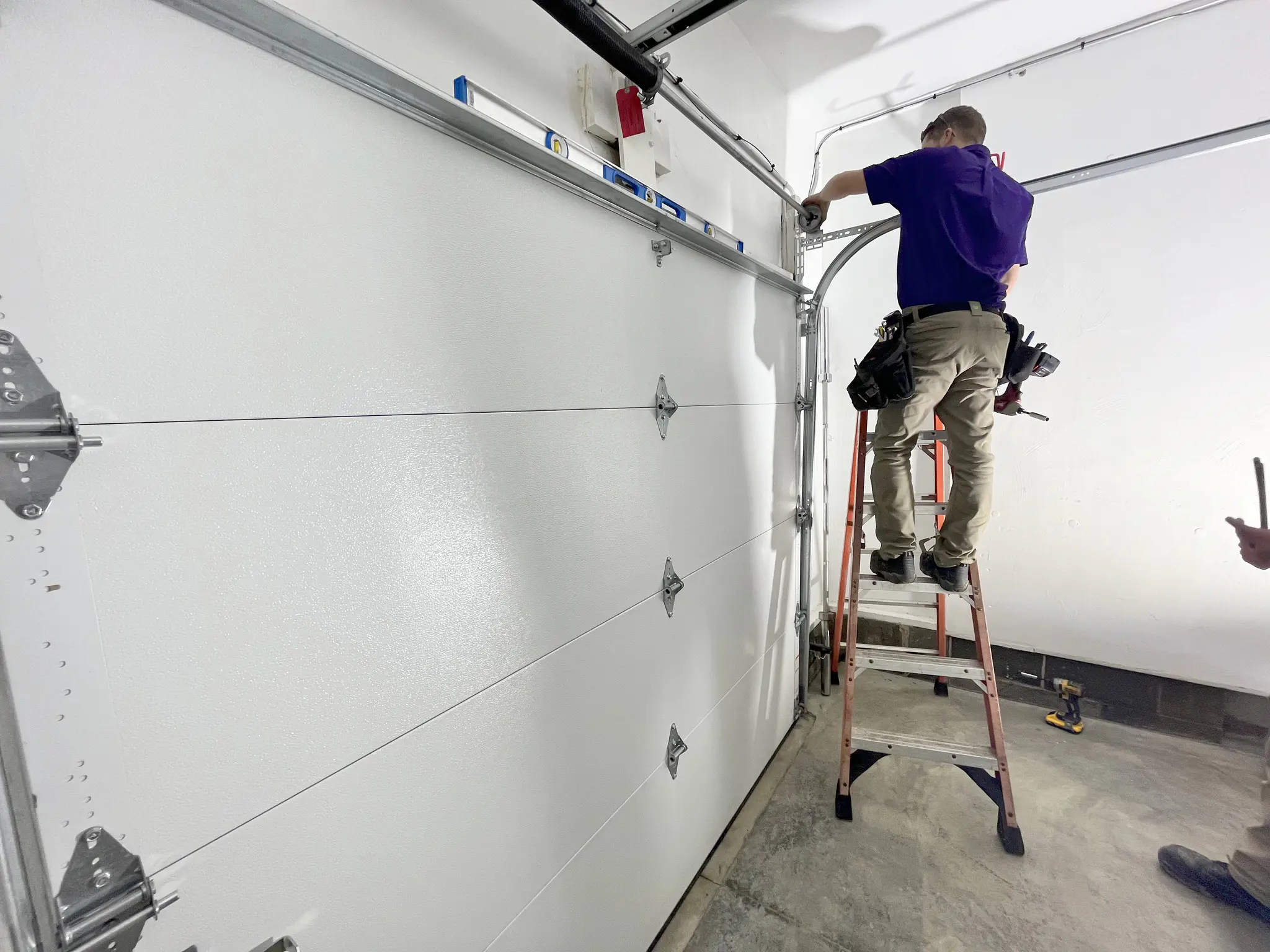
Professional garage door cable repair follows a structured process that protects the door, the system, and everyone in the workspace.
Here is what a professional brings to every cable repair job:
- Full system inspection is completed before any component is touched
- Spring tension is released using proper winding bars and safety equipment
- The damaged cable is removed, and the drum is checked before a new cable is installed
- Proper installation ensures the new cable sits evenly in the drum grooves with correct tension
- The door is tested for smooth operation before the job is considered complete
Leaving cable repair to a licensed technician means every component gets assessed, and the door leaves the job working exactly as it should.
What to Expect After a Professional Cable Repair
A professional cable repair does not end when the technician leaves, and knowing what to expect afterward helps homeowners protect the work that was just done.
Here is what a properly completed cable repair looks like:
- The door opens and closes without jerky movement or uneven travel
- Both sides of the door move at the same speed with no tilting
- Garage door maintenance recommendations are provided before the technician leaves
- The opener runs quietly without straining against the load
- No unusual noises occur during the first full cycles after the repair
A repair completed correctly gives the entire system a clean foundation to operate from going forward.
How to Avoid Garage Door Cable Repairs in Spring Hill
Preventing cable failure in Spring Hill comes down to consistent attention to the parts of the garage door system that take the most daily stress.
Here is what keeps garage door cables in good working condition longer:
- Inspect cables every few months for fraying, kinking, or signs of wear
- Lubricate cables, springs, and rollers every six months to reduce friction and corrosion
- Florida’s humidity and heat make routine checks more critical than in drier climates
- Test the door balance by lifting the door halfway manually after disconnecting the opener
- Schedule an annual inspection to catch cable issues before they lead to failure
Regular upkeep and annual professional inspections are the most direct ways to extend cable life and keep an unexpected repair call off the calendar.
Always Trust a Professional When It Comes to Garage Door Cable Repair

Garage door cable repair demands more than basic tools and a willingness to try, and knowing who should handle the job is what protects the entire system. Understanding the difference between a DIY adjustment and a professional repair helps keep your garage door cables performing as they were designed to for years to come.
Florida Garage Door Pros is the team Spring Hill, Florida homeowners count on for accurate diagnostics, honest assessments, and professional garage door cable repair from start to finish. Contact us or give us a call today, and let our team take care of everything your system needs to run properly again.
Frequently Asked Questions
Is garage door cable repair something a handyman can handle?
No, garage door cable repair is not a standard handyman job. The spring tension involved requires specialized tools and training beyond general repair skills, and an incorrect fix can cause immediate damage to surrounding components.
What tools does a professional use that a homeowner typically does not have?
Professionals use calibrated winding bars, cable tensioning tools, and spring gauges that are not available in standard home toolkits. Without proper tools and proper training, the risk of improper installation and serious safety risks to the entire system increases significantly.
Can a garage door cable break during normal daily use without any prior warning?
Yes, a cable can snap during a routine open or close cycle with no visible warning beforehand. Regular maintenance, including checking for signs of fraying, is the most direct way to catch wear before a garage door cable snaps without warning.
How do I know if the company I hire is qualified to handle garage door cable repair?
Look for a licensed and insured technician who specializes in garage door systems rather than a general contractor. A qualified professional will inspect the entire system and explain exactly what the repair involves before any work begins.
What happens if only one cable is replaced instead of both?
When one cable is replaced, and the other is left in place, the difference in wear between the two creates uneven movement across the door. Most professionals recommend replacing both cables during a garage door cable replacement to keep the system balanced and avoid a repeat service call.
How do I fix a broken cable on a garage door if the door is stuck in the closed position?
Knowing how to fix a broken cable on a garage door when it is fully closed starts with disconnecting the opener and assessing whether the door can be manually supported before making any adjustments. A professional should handle this situation because moving the door without proper cable support can cause it to drop or shift off the track.
Can a new garage door still experience cable failure?
Yes, even new garage doors can develop cable issues if the installation was not done correctly or if the cable tension was set improperly from the start. Proper installation and an initial system check after setup are the best ways to prevent early cable failure.
What should I tell the technician when I call about a garage door cable broke situation?
Describe which side of the door looks affected, whether the door is stuck open or closed, and any sounds you heard before the problem occurred. A garage door cable broke situation is easier to diagnose when the technician arrives with a clear picture of what happened before and after the failure.
How is a cable repair different from a full cable replacement?
A cable repair addresses a minor issue on a cable that is still structurally intact, while garage door cable replacement involves removing the old cable and installing a new one with proper tensioning. The extent of the damage determines which option a garage door service professional will recommend.