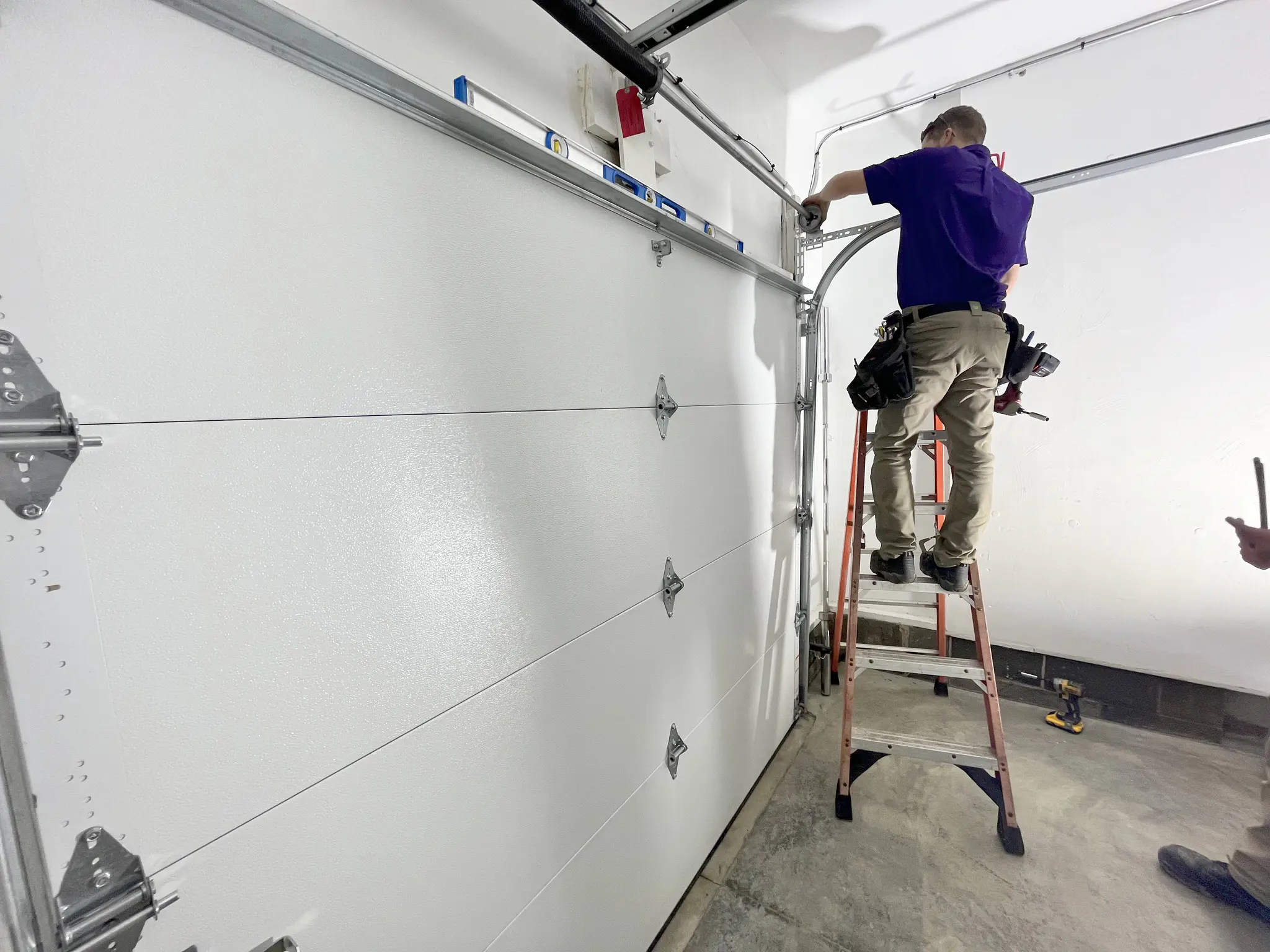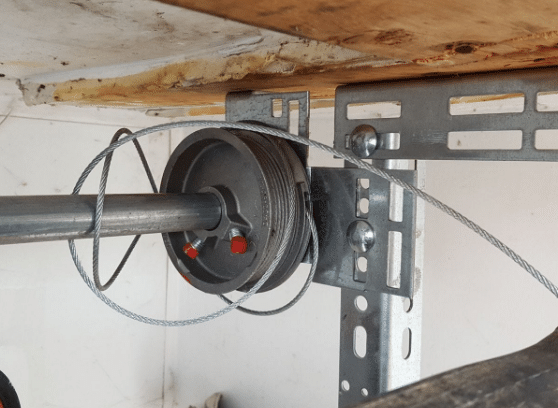
Operating a garage door with a broken cable is one of the most overlooked safety risks a homeowner can face inside their own home. The cable controls the door’s balance and movement, and a broken one means the door has nothing to hold its full weight in place during operation.
Garage door cable repair addresses a problem that goes beyond mechanics, as a failing cable can turn a functional door into a serious physical danger. Every time that door is operated with a damaged cable, the risk of a sudden collapse, a snapped cable, or a complete system failure grows with each cycle.
Why Garage Door Cables Break and Why It Matters
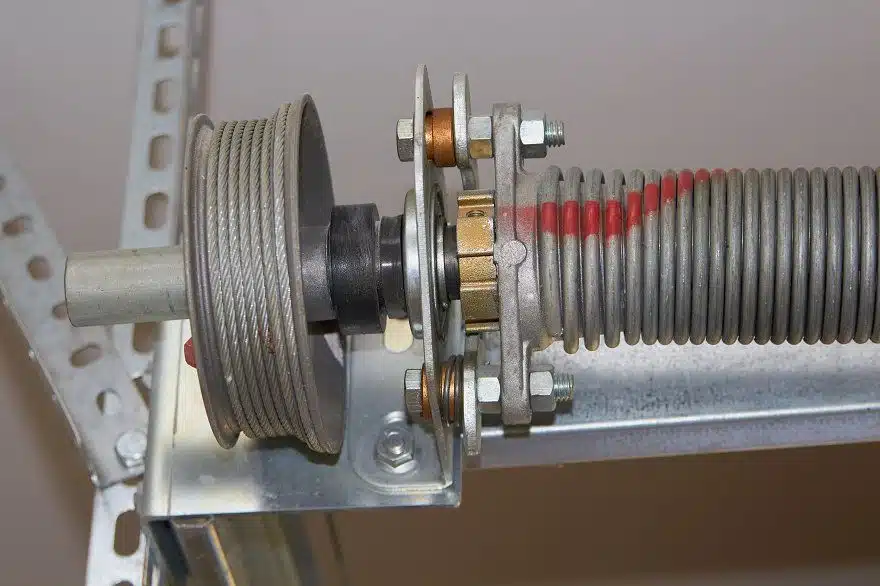
Garage door cables break when years of repeated stress, moisture exposure, and lack of maintenance slowly wear down the metal strands until the tension the system relies on can no longer be sustained.
Here is why a broken cable puts the entire door at risk:
- A snapped cable removes all control over the door’s weight during operation
- The torsion spring and extension springs immediately take on excess load
- The garage door opener strains the motor by continuing to cycle unevenly
- Track misalignment develops quickly without balanced cable movement
- One broken cable left unaddressed leads to a full system breakdown
To understand how each of these failure patterns develops, read our guide on What Causes Garage Door Cables to Break?, which covers what a technician looks for before a full cable break occurs.
Is It Safe to Operate a Garage Door With a Broken Cable?
The answer is no. Operating a garage door with a broken cable exposes everyone nearby to hazards ranging from physical injury to a full door collapse.
Here is what happens when the door is used with a broken cable:
Sudden Door Collapse
A broken cable removes all control over the door’s weight, leaving nothing to stop it from dropping without warning.
Watch for these collapse risk factors:
- Full door weight transfers instantly to an unsupported track
- Doors weighing up to 400 pounds have nothing slowing the descent
- Partial cable damage causes gradual sagging before a complete drop
- Every cycle on a compromised cable increases the collapse risk
- People and vehicles near the opening face direct impact danger
Stopping door operation at the first sign of cable damage prevents a sudden drop that puts everyone near the entrance at immediate risk.
Serious Injury to People and Pets
A collapsing garage door moves faster than people or pets can react, and even a partial fall delivers enough force to cause life-altering injury.
Injury risks from a broken cable include:
- Crushing injuries from a falling door rank among the most grave garage accidents
- Children and pets near the entrance face the highest exposure
- A whipping snapped cable causes lacerations faster than anyone can react
- Bystanders on the side of the door remain within cable recoil range
- Even a partial fall carries enough force to cause significant harm
Keeping everyone away from the entrance until garage door repairs are complete is the most direct way to reduce the risk of injury.
Property Damage From Unbalanced Weight
Lost cable tension forces the full door load onto components not rated to carry it, and damage spreads across the system with every cycle.
Property damage from a broken cable includes:
- Panels crack and separate when the door drops unevenly
- Track systems bend under the pressure of an unbalanced door
- Vehicles inside the garage absorb direct impact during a collapse
- Rollers shatter under concentrated load without cable support
- Opener rail systems crack when carrying weight beyond their capacity
Every cycle on a door with a broken cable adds strain to components already pushed beyond their limits.
Whiplash Effect From a Snapped Cable
The cable snaps under high tension, sending the cable flying at dangerous speed, and the recoil happens faster than anyone nearby can respond.
Physical hazards of a whipping cable include:
- Metal strands traveling at high velocity cut through skin on contact
- Recoil extends several feet from the point of the snap
- Anyone near the side of the door during a snap is in the recoil path
- Eye injuries from flying fragments occur without warning
- No protective gear helps without advanced knowledge of the failure
Predicting when a cable will snap is impossible, making emergency garage door repair the only effective protective measure.
Track Derailment
Uneven lifting force from a broken cable pushes the door sideways into the track, and that lateral pressure damages components not meant to absorb that kind of load.
Track damage from operating a door with a broken cable includes:
- Rollers jump out of the track channel under lateral pressure
- Bent tracks prevent smooth operation even after cable replacement
- A derailed door wedges into an open or partially open position
- Track hardware loosens and pulls free under repeated uneven force
- Realigning a derailed track requires a full professional assessment
Running the door under these conditions spreads damage across multiple components and impairs the door’s ability to operate.
Garage Door Opener Motor Burnout
A broken cable forces the opener motor to compensate for an unbalanced door, and that added strain accelerates wear on every moving part inside the unit.
Motor damage from continued operation with a broken cable includes:
- Internal gears strip when the motor pulls against the unbalanced door weight
- Thermal overload triggers inside the motor housing after repeated failed lifts
- Drive belts and chains snap under the strain of a missing cable
- Smart opener circuit boards register faults and may lock the system permanently
- Opener burnout from cable neglect falls outside most manufacturer warranty coverage
A broken cable that goes unaddressed long enough forces garage door opener repair onto a list of problems that started with a single failed cable.
What to Do Instead of Operating the Door
Stopping all activity around a broken garage door cable is the most important decision a homeowner can make before a technician arrives.
Here is what to do immediately:
- Disconnect the opener to prevent accidental activation
- Keep children and pets away from the garage entrance entirely
- Move vehicles out only if it can be done without operating the door
- Do a visual check from a distance and note what looks wrong
- Call a licensed garage door technician and describe what was observed
To learn what a technician evaluates before making any repair decision, read our guide on Broken Garage Door Cables: When to Repair or Replace, which covers the key factors that determine whether a cable needs repair or a full replacement.
Why Operating or Fixing It Without a Pro Is Risky
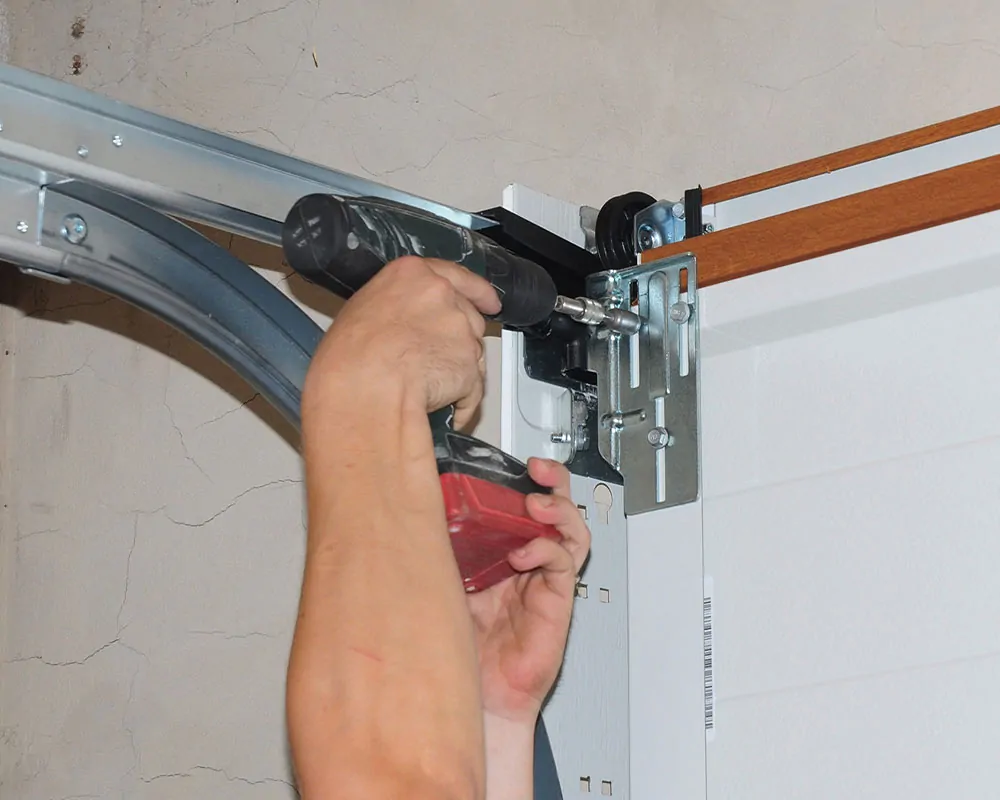
Garage door cables operate under extreme mechanical tension, and handling them without professional training puts both the person and the door at serious risk.
Here is why this job should never be attempted alone:
- Torsion spring tension stores enough energy to cause severe injury upon release
- Bottom brackets under load can snap free and strike anyone nearby
- Incorrect cable installation causes premature failure and damages surrounding components
- A botched repair voids both the door and opener manufacturer’s warranties
- Professional technicians carry specialized tools that make the job controlled and precise
To learn how a licensed technician approaches garage door cable repair, read our guide on Garage Door Cable Repair: DIY or Hire a Pro?, which explains why professional service is the only reliable path to a fully restored door.
The Safe Way to Get a Garage Door Working Again
A licensed technician restores full functionality to a garage door system by following a proven process that addresses the cable and all components affected by the failure.
Here is what professional garage door cable repair involves:
- Full inspection of the cables, springs, tracks, and opener before any work begins
- Proper cable replacement using the correct gauge and length for the door type
- Spring tension adjustment to restore balanced movement across both sides
- Opener testing to confirm the motor is no longer carrying an uneven load
- Final cycle testing to verify smooth operation before the job is complete
Garage door cable repair cost may depend on the extent of damage, the type of cable, and whether additional components require attention during the same visit.
How to Prevent This Safety Risk From Happening Again
Keeping garage door cables in good condition comes down to consistent maintenance and knowing what warning signs to act on before a cable fails.
Here is how to reduce the risk of a broken cable:
- Schedule professional maintenance at least once a year to catch wear early
- Listen for unusual noises or jerky movement during every open and close cycle
- Apply silicone-based lubricant to the cables every six months to reduce friction and rust
- Watch for fraying or visible strand separation along the cable length
- Consider more frequent inspections in Spring Hill due to Florida’s heat and humidity
Homeowners who stay current on cable maintenance give their entire garage door system the best chance of operating without interruption year after year.
A Broken Garage Door Cable Is a Safety Risk That Demands Immediate Attention
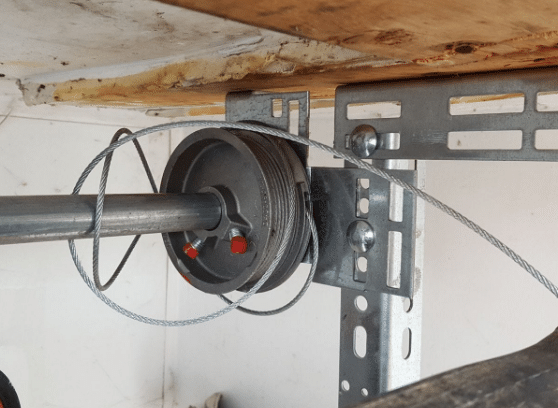
Operating a garage door with a broken cable puts everyone near the door in immediate danger, and the longer the door remains in use, the more damage it can cause throughout the system. Every homeowner deserves peace of mind knowing their garage door cables are in good condition and their door is fully operational.
Florida Garage Door Pros is here to handle garage door cable repair with the skill, tools, and experience the job demands. Contact us or give us a call today, and let our team serve Spring Hill, Florida, homeowners with honest inspections, accurate diagnostics, and a fully restored garage door system as soon as possible.
Frequently Asked Questions
Can a garage door fall on its own if a cable breaks while the door is closed?
Yes, it can. A door held in the closed position without a functioning cable relies entirely on the remaining cable and other components to support the door's weight, and those components are not rated to carry that load indefinitely.
What happens when a garage door cable breaks on only one side?
A garage door cable broke on one side, creating an immediate imbalance that causes the door to tilt, strain the tracks, and put dangerous stress on the opposite cable. Continuing to operate the door under these conditions accelerates damage to every connected component.
Is a partially broken cable just as dangerous as a fully snapped one?
Yes, it is. A partially broken cable is already under compromised tension and can fail completely during any cycle, putting everyone near the door at the same level of serious safety risk as a fully failed cable.
What happens when garage door cable breaks during an opening cycle?
When the garage door cable breaks mid-cycle, the door instantly loses balanced support and can slam down or derail from the tracks without any warning. The opener continues to run against the unbalanced load, causing additional damage to the motor and drive system.
Can a broken cable affect how the garage door closes?
Yes, it directly affects how the door closes. A broken cable causes uneven movement in the door, puts pressure on the tracks and rollers, and often triggers the opener's auto-reverse function due to the resistance it detects.
Is it possible for a garage door cable to break without any visible warning signs?
Yes, it is possible. Internal strand corrosion and metal fatigue weaken the cable from the inside out, so a garage door cable can snap with no visible fraying or external signs of wear to warn the homeowner.
How do I know if a garage door cable broke versus a spring failure?
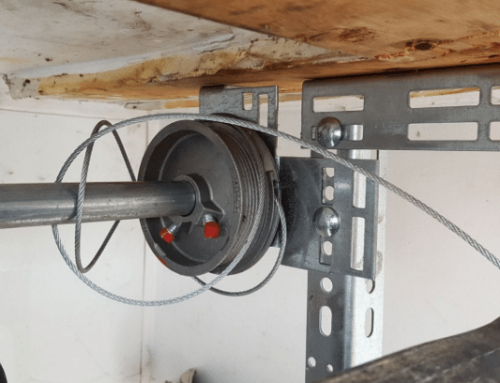
A garage door cable broke when the door tilts to one side, hangs unevenly, or a loose cable is visible near the bottom of the door or drum. A broken garage door spring typically makes the door feel extremely heavy and sit low on both sides.
Can operating a garage door with a broken cable damage the floor or concrete below?
Yes, it can. A door that drops or drags along the bottom of the garage door opening exerts direct impact force on the floor, which can crack concrete over time and permanently damage the door's bottom seal.
Is there any temporary fix that makes it safe to operate the door until a technician arrives?
No, there is not. Searching for how to fix a broken cable on a garage door may return DIY options, but proper installation and professional repair are the only ways to eliminate the risk, so stop using the door completely and wait for a licensed technician.