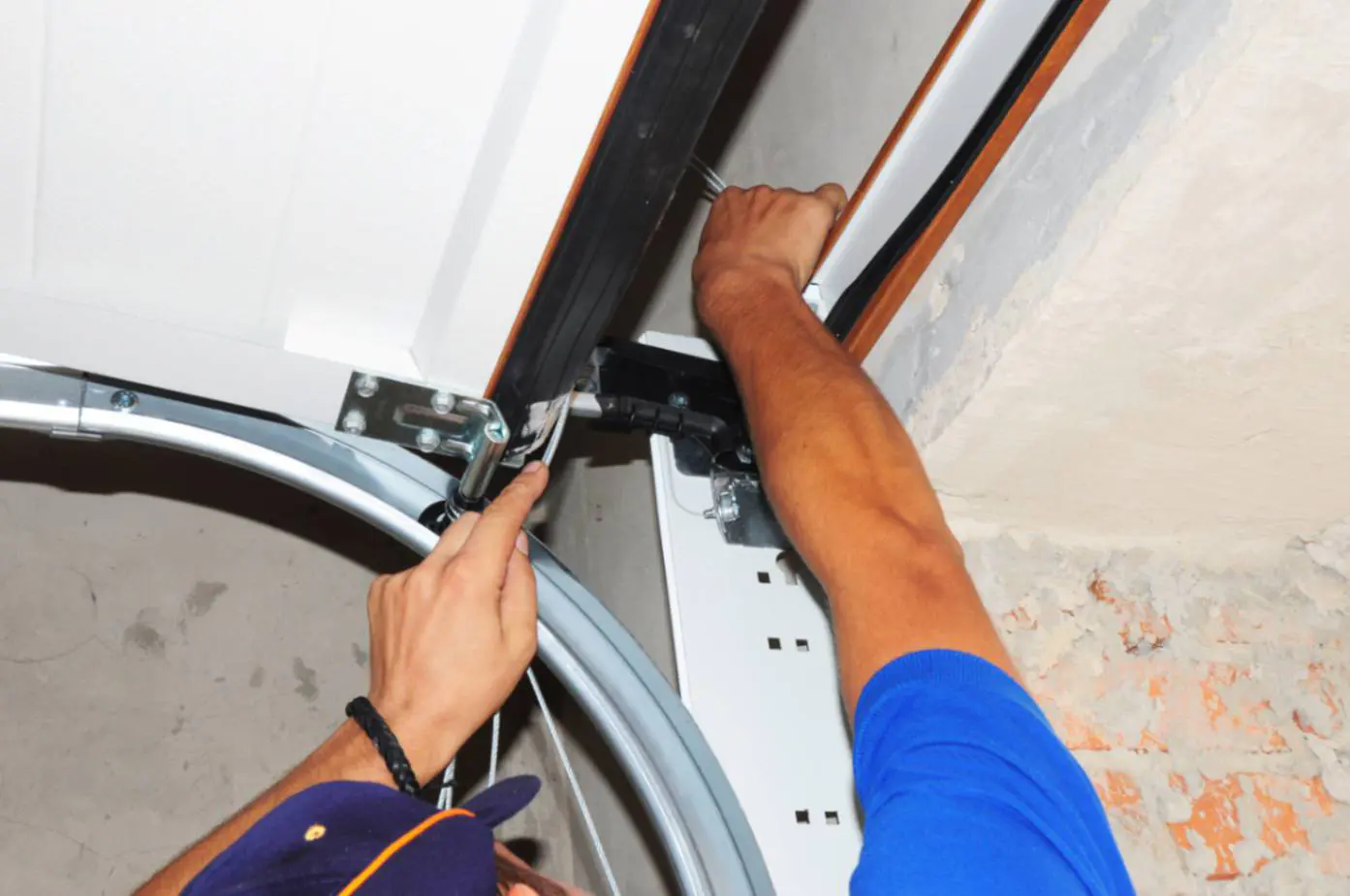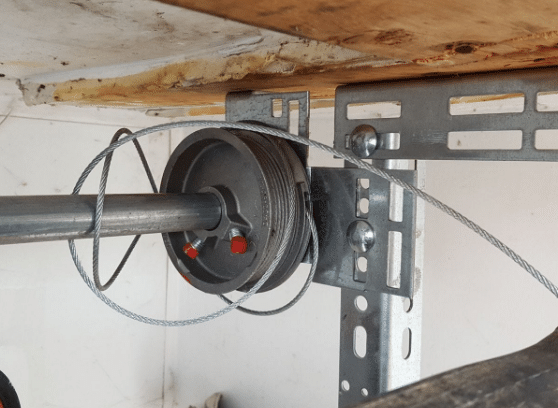
Garage door cables carry the full weight of the door and keep both sides moving evenly through every open and close cycle. When one of those cables breaks, the entire garage door system loses balance, and the door shifts from a daily convenience into a problem that puts the whole household at risk.
Deciding between garage door cable repair and a full cable replacement comes down to the type of damage and how far it has spread. This guide breaks down every sign and condition that points toward one option over the other, so the right decision gets made before the damage becomes a costlier repair.
Why Knowing When to Repair or Replace Garage Door Cables Matters
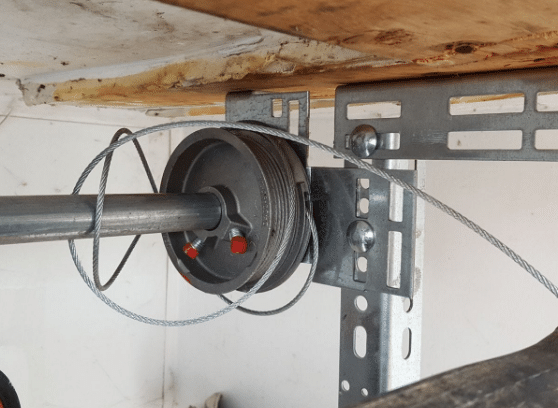
Garage door cables are a critical part of the door system, and understanding when to repair or replace them gives homeowners the information needed to act before the damage spreads to the other connected components.
Here is why getting this decision right matters:
- Repairing a cable that needed replacement brings the same failure back with added damage
- Cables past their limit push excess load onto the torsion spring and the bottom brackets
- Fraying and slack disappear as warnings the moment the cable snaps
- An unaddressed cable issue spreads to the opener, track, and spring over time
- Acting too late turns a cable job into a far costlier garage door repair
To understand what drives cables to the point of breaking, read our guide on What Causes Garage Door Cables to Break?, which covers the stress patterns a technician looks for before complete failure occurs.
What Happens When Garage Door Cable Breaks
A broken garage door cable disrupts the balance of the entire door system and triggers a chain reaction of mechanical problems affecting every connected component.
Here is what happens when a garage door cable breaks:
- The door drops on one side due to uneven weight distribution
- Jerky movement and unusual noises appear during every open and close cycle
- The torsion spring takes on excess load and accelerates toward failure
- Track misalignment develops as the door operates without balanced cable tension
- The garage door opener strains, trying to compensate for the imbalance
Cable failure rarely remains isolated, and enough damage can accumulate quickly to warrant emergency garage door repair.
How to Assess the Condition of Broken Garage Door Cables
Assessing garage door cables before making any decision provides a clear picture of the extent of damage and which components are affected.
Here is what to check when assessing the condition of garage door cables:
- Look for fraying, unraveling strands, or a fuzzy appearance along the cable length
- Check for rust, discoloration, or stiffness caused by moisture and humidity exposure
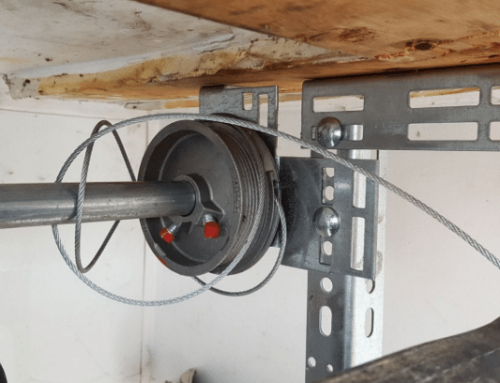
- Inspect the cable drum for uneven winding or a cable that has slipped out of position
- Examine the bottom brackets for looseness or detachment at the cable connection point
- Watch for uneven movement, jerky operation, or a door that sags on one side
To determine whether continuing to use the door during this assessment poses additional risk, read our guide on Is It Safe to Operate a Garage Door With a Broken Cable?, which covers what happens to the system when damage goes unaddressed.
Should Garage Door Cables Be Repaired or Replaced?
When to Repair
Garage door cables do not always need full replacement, and identifying the right conditions for a repair saves time and avoids unnecessary costs.
Signs that a repair is the appropriate call:
- Slack is visible along the cable, but no fraying, rust, or physical damage is present
- One side of the door drifts lower, but the cable strands remain fully intact
- Tension reads consistently on both sides once a correction is applied
- Hardware at the anchor points and bottom brackets remains secure and undamaged
- Door movement evens out immediately after a tension adjustment is made
Cables that show no structural damage and respond well to adjustment are good candidates for repair rather than full replacement.
When to Replace
Certain cable conditions make repair an inadequate solution, and pushing past those conditions puts the spring, opener, and track under a load they cannot sustain.
Conditions that make replacement the only viable option:
- Frayed or unraveling wire strands have compromised the cable’s structural integrity
- Rust and corrosion have caused stiffness, flaking, or visible deterioration
- Permanent kinks or bends prevent even winding around the drum
- A fully snapped cable has left the door without support on one or both sides
- Both cables are past the 5 to 7 year mark, with consistent signs of wear
Replacing both cables at the same time eliminates the risk of the second cable failing shortly after the first repair is completed.
When to Call a Pro for Garage Door Cable Repair or Replacement
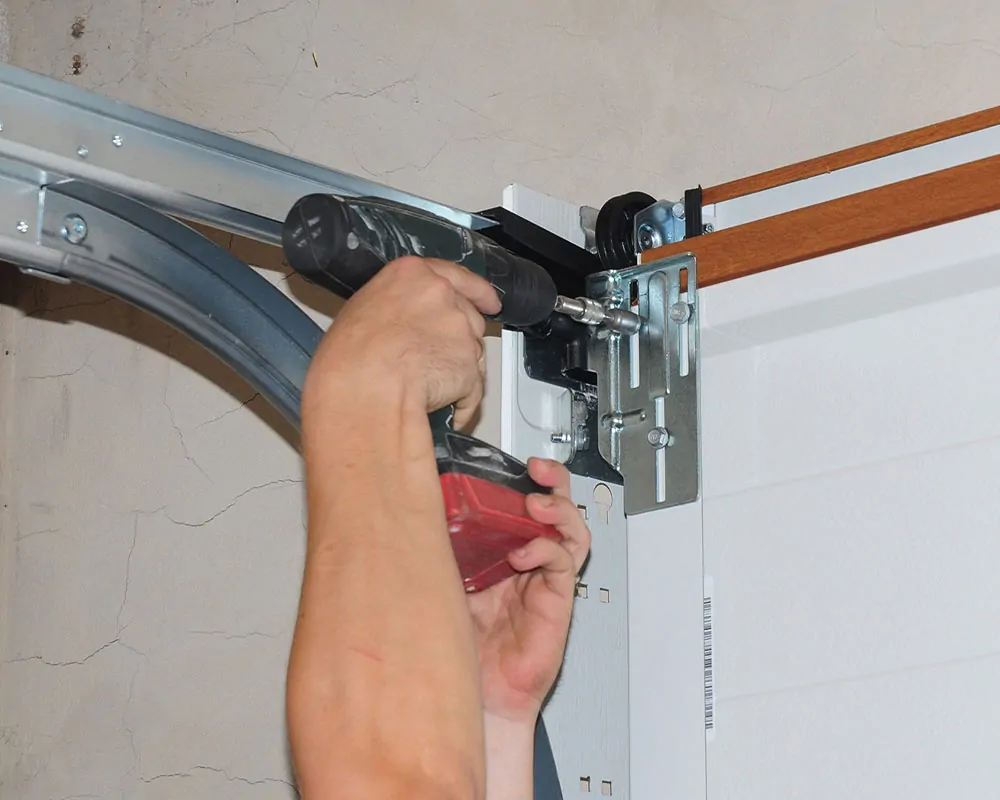
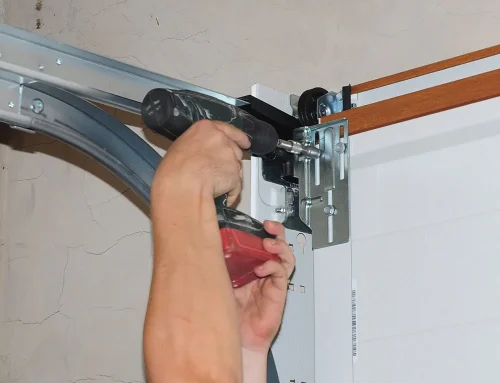
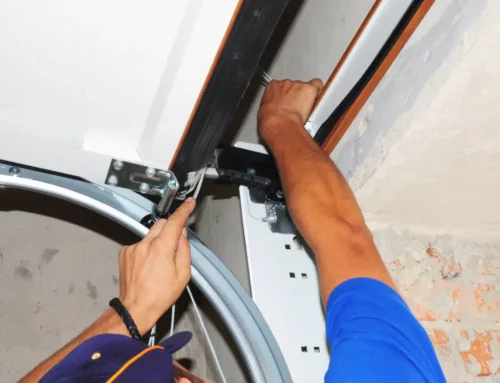
Garage door cable repair and replacement involve spring tension, heavy components, and precision that standard home garage door repair cannot cover.
Situations that require a professional:
- Torsion spring cables require specialized winding tools and proper training
- Cable drums need precise alignment, or the cable winds unevenly every cycle
- A fully snapped cable leaves the door unsupported and unsafe to move
- Extension spring cables must be detached and reattached under active tension
- Working on cables alone creates a serious injury risk from the door’s weight alone
To know whether garage door cable repair is a job worth attempting without a pro, read our guide on Garage Door Cable Repair: DIY or Hire a Pro?, which covers exactly where the line is between a manageable fix and a job that needs a licensed technician.
Maintenance Tips to Keep Garage Door Cables in Good Shape
Routine garage door maintenance is the most practical way to extend cable life and catch developing problems before they affect the entire system.
Here are maintenance tips to keep garage door cables in good condition:
- Inspect cables visually every three months for fraying, rust, or slack
- Schedule a professional inspection once a year to catch internal wear early
- Properly lubricate cables, springs, and rollers regularly to reduce friction and slow wear
- Keep the cable drum clean and free of dirt that interferes with proper winding
- Address unusual noises or uneven movement without delay before damage spreads
Consistent cable care is what keeps the entire door system running without unexpected stops, drops, or uneven movement.
Broken Garage Door Cables Demand the Right Fix at the Right Time
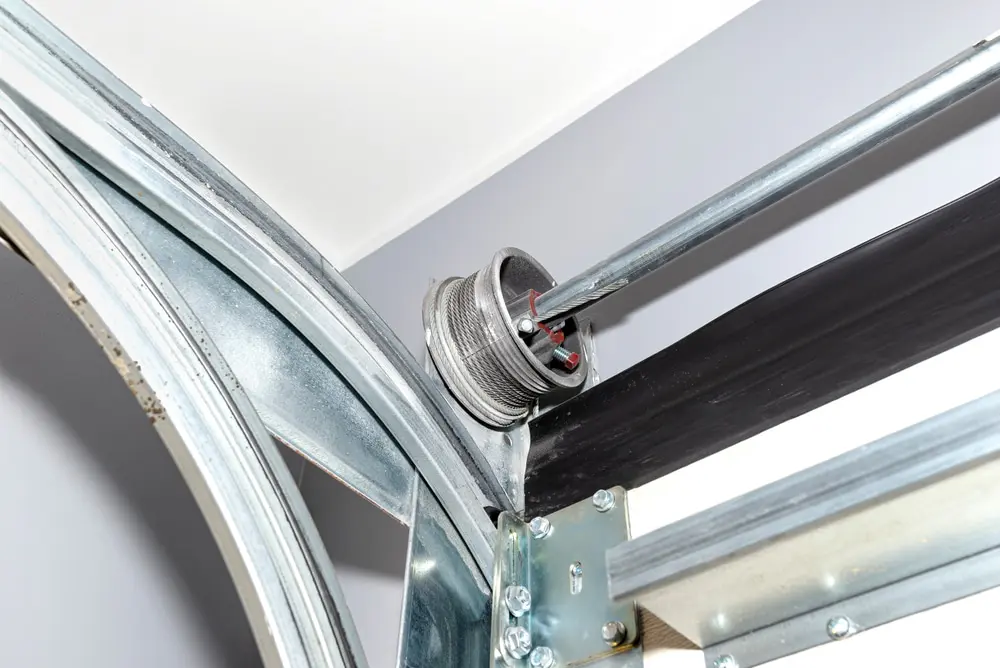
Understanding the condition of garage door cables and knowing when to repair or replace them keeps the entire door system balanced, functional, and safe for everyday use. The signs are always present before a full failure occurs, and acting on them at the right time makes all the difference.
Florida Garage Door Pros brings the tools, training, and experience needed to assess broken garage door cables and deliver the right solution for every situation in Spring Hill, Florida.
Contact us or give us a call today, and let our team evaluate the cable condition and restore the system to full working order.
Frequently Asked Questions
Can both garage door cables be repaired at the same time?
Yes, and replacing or repairing both cables at the same time is standard practice for any professional garage door repair service. When one cable shows significant wear, the other is usually close behind and doing both at once prevents a second service call.
What type of cable does a torsion spring system use compared to an extension spring system?
Torsion spring systems use cables that wind around a drum above the door, while extension spring systems use cables that run along the sides of the door and connect to the springs directly. Both types serve the same function but require different hardware and handling during repair or replacement.
How do I know if a garage door cable broke or if the spring failed?
A broken garage door cable typically causes the door to sag or tilt on one side while still partially moving. A spring failure usually makes the door feel extremely heavy and prevents it from opening at all.
What does it mean when a garage door cable breaks on one side only?
A garage door cable broke on one side, which means the door has lost balanced support and is carrying uneven weight across the track and hardware. Operating the door in that condition puts immediate stress on the remaining cable, the spring, and the opener motor.
Is it possible to prevent garage door cables from breaking prematurely?
Yes, proper maintenance and annual professional inspections are among the best ways to extend cable life and avoid a garage door cable snaps situation. Cables that are consistently serviced rarely fail without giving clear warning signs first.
What does fixing a broken cable on a garage door actually involve?
The process of how to fix a broken cable on a garage door starts with fully releasing spring tension before any cable work begins. The damaged cable is removed, a new cable is threaded through the bottom bracket and drum, and the tension is reset to the manufacturer's specifications before the door is tested.
What is the difference between safety cables and load-bearing cables on a garage door?
Load-bearing cables are the primary cables that lift and lower the door by connecting to the torsion or extension spring system. Safety cables run through extension springs to contain the door if it breaks, and they do not carry the door's weight directly.
Can a cable slip off the drum without actually breaking?
Yes, a cable can come off the drum due to improper tension, track alignment issues, or a hard impact without snapping or suffering structural damage. A technician can re-seat the cable and correct the underlying cause without a full garage door cable replacement in most cases.
How many cables does a standard residential garage door have?
Most residential garage doors use two cables, one on each side of the door, that work together to distribute the door's weight evenly during operation. Losing function in either one immediately disrupts the entire balance of the system.