Garage door noise builds slowly over time, and by the time it becomes impossible to ignore, the parts responsible have already been wearing down for months. A grinding sound, a persistent squeak, or a rattling panel is the direct result of maintenance that has been skipped one too many times.
Knowing how to prevent a noisy garage door means understanding what breaks down and what regular care does to stop it. Consistent garage door maintenance addresses the root cause of noise at every stage and is the most practical way to keep a noisy garage door from ever needing garage door repair.
What Noise Patterns Tell You It Is Time for Garage Door Maintenance
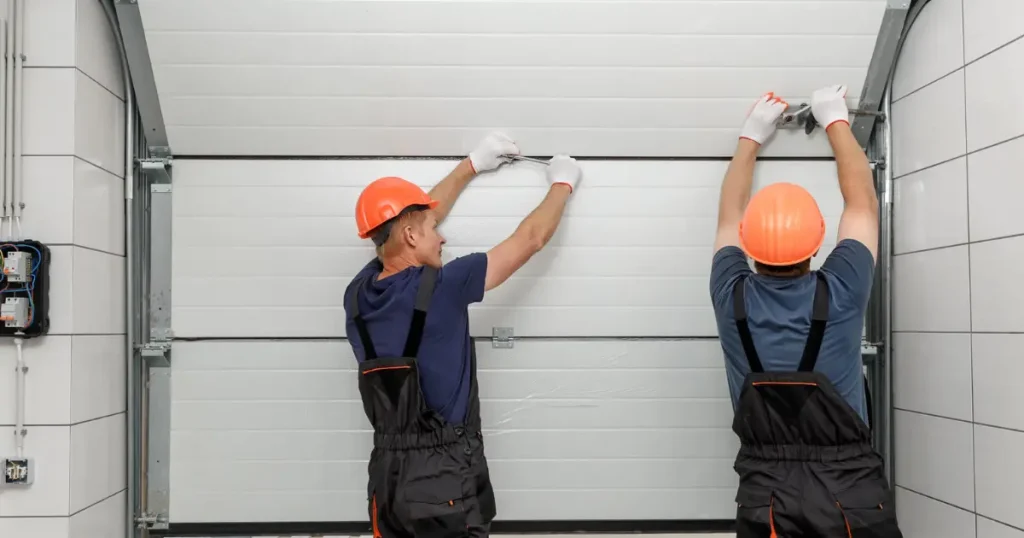
Every sound a garage door makes during operation is connected to a specific part that is worn, loose, or no longer getting the lubrication it needs to move properly and quietly.
Common noise patterns and what they mean:
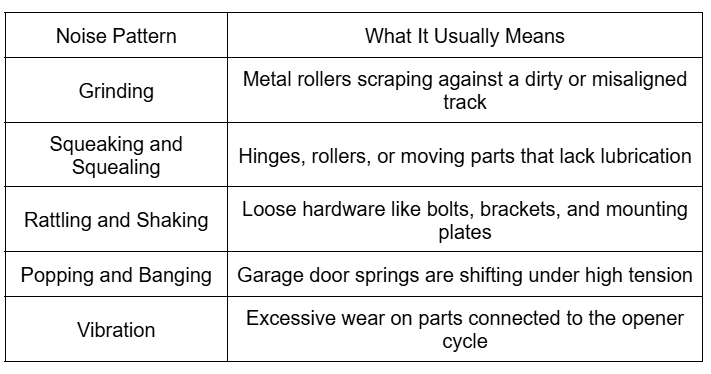
To understand how these noise patterns connect to the bigger mechanical problems happening inside your system, read our guide on How Garage Door Noise Can Signal Bigger Problems, which breaks down the root causes behind every warning sign.
Why Skipping Regular Care Leads to a Noisy Garage Door
Skipping regular care allows small mechanical issues to grow into problems that affect every moving part in the system.
Here is what happens when maintenance is ignored:
- Lack of lubrication causes friction that wears down rollers, hinges, and bearings faster
- Loose hardware vibrates and rattles with every cycle until it fails completely
- Humidity causes metal parts to rust, which increases friction and reduces smooth operation
- Worn rollers put uneven pressure on the tracks and throw off the door’s balance
- An unbalanced door forces the garage door opener to work harder on every single cycle
To see how these maintenance failures lead to the specific sounds your garage door makes, read our guide on What Causes Grinding, Squeaking and Popping Garage Doors, which covers the most common causes behind every noise your door produces.
Regular Care Practices That Keep Garage Door Noise Away
Lubricating Moving Parts Every 3 to 6 Months
Proper lubrication is the single most effective step in keeping a noisy garage door from developing friction-related wear on its most active components.
Keep these lubrication guidelines in mind:
- Apply white lithium grease to springs, bearing plates, and hinges every 3 to 6 months
- Use a silicone-based spray garage door lubricant for rollers and tracks
- Standard WD-40 attracts dust and breaks down faster in Florida’s heat
- Dry parts grind against each other and accelerate wear across the entire system
- Properly lubricated moving parts operate with less resistance and far less noise
Consistent lubrication is the most direct way to reduce friction, minimize noise, and extend the life of every moving part in the system.
Tightening Hardware Before Vibrations Get Worse
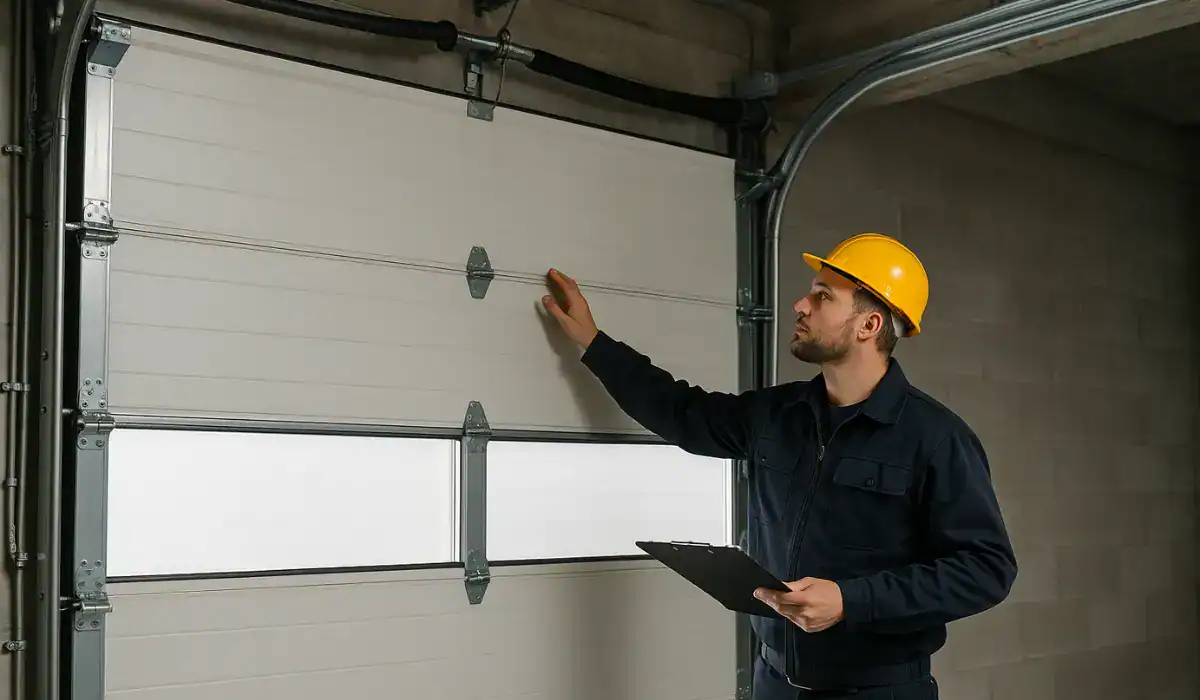
Loose hardware is one of the most overlooked sources of garage door noise, and a socket wrench is all it takes to address it.
Watch for these hardware issues during every inspection:
- Bolts and nuts on tracks and brackets loosen gradually from the vibration of daily cycles
- A loose mounting bracket causes the opener to shake during every operation
- Check roller brackets, track bolts, and panel hinges for any movement or play
- Use a socket set to tighten everything firmly without overtightening and stripping the hardware
- Tight hardware keeps the entire door system stable and reduces rattling significantly
Regular hardware checks keep the entire system stable and are one of the simplest ways to avoid premature garage door replacement.
Cleaning and Aligning the Tracks Regularly
Dirty or misaligned tracks are among the most direct causes of grinding noise and put unnecessary strain on every component connected to them.
Pay attention to these track conditions:
- Wipe tracks with a damp cloth and mild detergent to remove dirt, grease, and debris
- Inspect the track surface for dents, bends, or gaps that disrupt roller movement
- Debris inside the track creates grinding sounds and uneven door movement
- Misaligned tracks put extra strain on the cables, springs, and opener
- Clean and properly aligned tracks allow the door to move without resistance or noise
Keeping the tracks clean and aligned reduces grinding, maintains smooth operation, and limits the need for garage door track repair over time.
Checking and Replacing Worn Rollers
Roller condition directly impacts how much noise a garage door produces, and worn rollers affect the smoothness of every cycle.
Look for these signs of roller wear:
- Cracks, chips, or flat spots cause wobbling and vibration during movement
- Metal rollers create significantly more noise than nylon during operation
- Plastic rollers wear down faster and produce squeaking as they deteriorate
- Nylon rollers require less maintenance and deliver quieter performance longer
- Worn rollers are one of the most effective upgrades for noise reduction
Addressing roller wear early through garage door roller repair keeps the entire door running smoothly on every cycle.
Testing the Balance of Your Garage Door
An unbalanced garage door puts continuous strain on the opener and produces noise that worsens with each cycle.
Watch for these balance-related warning signs:
- Disconnect the opener and lift the door halfway to test whether it holds position
- A door that drops or shoots upward needs professional spring adjustment
- Garage door springs counterbalance the full weight of the door on every cycle
- Torsion springs that lose tension force the opener to compensate with extra noise
- Balance issues accelerate wear on the cables, drums, and opener motor
Professional spring adjustment restores proper balance and removes the strain that drives noise across the entire garage door system.
Insulating Your Garage Door to Reduce Noise
Metal garage doors amplify vibration throughout the entire structure, and proper insulation absorbs that energy before it becomes noise inside the home.
Consider these insulation points:
- A bare metal door acts like a drum and sends vibration through every panel
- Insulation panels reduce the resonance that causes rattling during operation
- Weatherstripping seals gaps that allow wind noise and debris into the tracks
- Insulation reduces temperature fluctuations that cause metal parts to expand and create friction
- Proper insulation improves quiet operation throughout the whole house
Insulation and weatherstripping work together to reduce the vibration and air gaps that make garage door noise worse over time.
Garage Door Parts That Need the Most Attention to Stay Noise Free
Every noisy garage door traces back to one or more components that have been neglected long enough to affect the entire system.
Parts that need regular attention to stay noise-free:
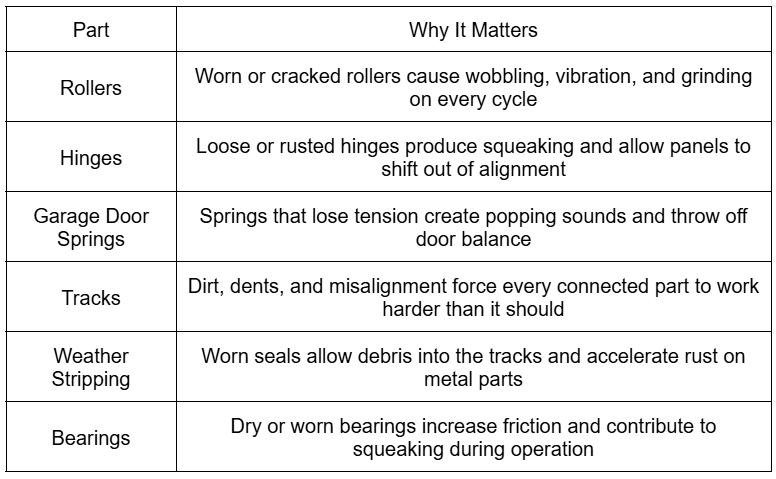
Keeping these parts in good condition is the foundation of any effective garage door maintenance routine.
What Happens to Your Garage Door When Maintenance Is Skipped
Regular maintenance keeps every component in the garage door system working together, and without it, mechanical stress builds until something fails.
Here is what happens when garage door maintenance is ignored:
- Unlubricated parts grind against each other and wear down faster
- Loose hardware weakens surrounding components with every cycle
- Worn rollers put excessive strain on tracks and cables
- Humidity-driven rust increases friction throughout the system
- Minor noise issues progress until they require professional garage door repair services
To learn how neglected maintenance can lead to safety risks your garage door may develop, read our guide on Are Noisy Garage Doors Dangerous? Key Safety Risks, which covers what homeowners need to know.
When Regular Care Is Not Enough for Noisy Garage Door Repair or Replacement
Regular care has limits, and knowing when professional help is needed protects the entire system.
Signs that professional noisy garage door repair or replacement is needed:
- Noise persists after full maintenance has been completed
- The door moves unevenly or appears crooked during operation
- Opener strains, slows, or reverses without being triggered
- Visible damage to springs, cables, or tracks requires immediate professional attention
- Frequent repairs with no lasting results point toward replacement
Knowing when to call a professional prevents further damage and keeps the garage door system in proper working condition.
Make Regular Care the Standard for a Quieter Garage Door
A noisy garage door is a direct result of maintenance that has fallen behind, and the right care routine makes the difference between a system that lasts and one that fails prematurely. Knowing which parts to check, when to lubricate, and what warning signs to act on gives every homeowner in Spring Hill, Florida, the upper hand against noise and wear.
Florida Garage Door Pros is here to help you keep your garage door running quietly through professional maintenance, inspections, and garage door repair services. Contact us or give us a call today, and let our team assess what your garage door needs to keep every part running efficiently.
Frequently Asked Questions
What is the best time of year to schedule a garage door tune-up in Florida?
Spring and early summer are ideal times to schedule a tune-up before Florida's rainy season increases humidity levels. Getting ahead of moisture-related wear keeps every component in better condition year-round.
Can a garage door be too old to maintain properly?
Yes. Once a garage door reaches a certain age, worn components may no longer respond well to standard maintenance and may require replacement instead. A professional inspection is the most reliable way to determine whether continued maintenance is still practical.
How do I know if my garage door hinges need to be replaced?
Hinges that are visibly cracked, heavily rusted, or no longer hold their shape after tightening need to be replaced. A hinge that has deteriorated beyond basic adjustment will continue to produce noise regardless of the amount of lubrication applied.
Does the brand of a garage door opener affect how much maintenance the door needs?
The opener brand does not directly affect how much maintenance the door itself requires. However, a more modern opener with advanced motor technology tends to place less mechanical strain on the door during each cycle.
How long does a properly maintained garage door typically last?
A well-maintained garage door can last between 15 and 30 years, depending on the material, usage frequency, and local climate conditions. Regular maintenance significantly extends the functional lifespan of every component in the system.
Can garage door noise come from the ceiling mount rather than the door itself?
Yes. A loose or improperly installed ceiling mount can vibrate and produce noise that appears to come from the door. Checking the mounting hardware above the opener is a worthwhile step when diagnosing persistent noise issues.
Is there a difference between maintenance needs for single and double garage doors?
Yes. Double garage doors carry more weight and place greater demand on springs, cables, and the opener motor. More surface area also means more hardware to inspect and tighten during each maintenance check.
What role do garage door cables play in noise prevention?
Cables keep the door moving evenly along the tracks and help distribute the weight supported by the springs. Frayed or unevenly tensioned cables cause the door to move at an angle, creating noise and putting stress on the rollers and tracks.
Can a garage door make noise because of how it was originally installed?
Yes. Improper installation can leave hardware misaligned, tracks uneven, or springs incorrectly tensioned from the start. These installation issues produce noise that regular maintenance alone cannot fully resolve without a professional reassessment.