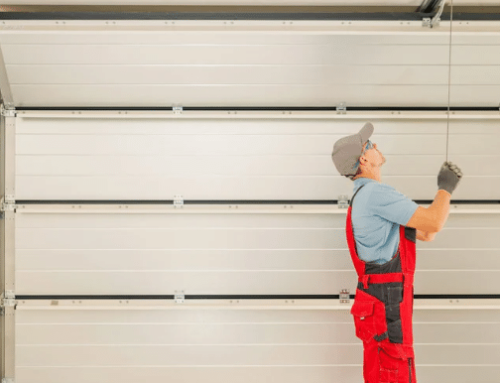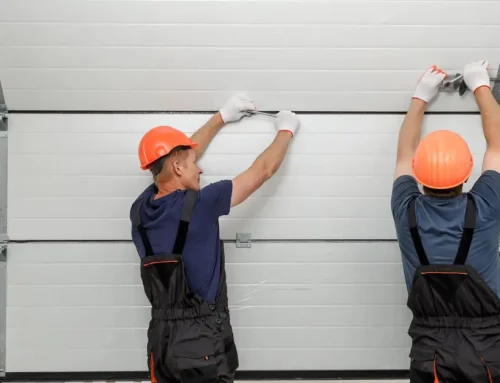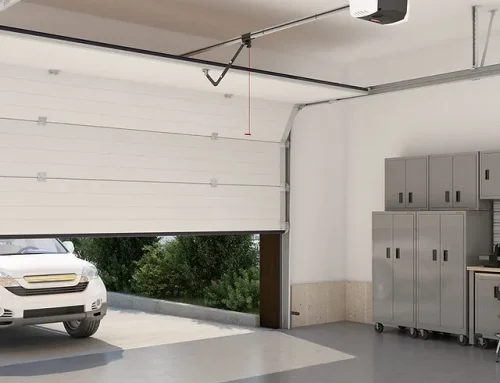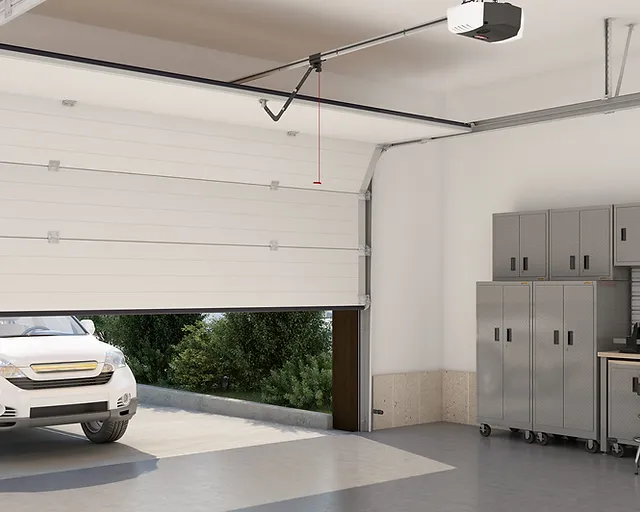
A noisy garage door is a clear warning that the components inside the system are failing under mechanical stress and high tension. That noise is not a minor inconvenience but a signal that the parts keeping a 300-pound door in place are losing their ability to function correctly.
Ignoring the noise allows the damage to spread throughout the entire garage door system, leading to garage door repair that could have been avoided. Understanding the key safety risks associated with a noisy garage door enables homeowners to act before the situation becomes far more dangerous.
Are Noisy Garage Doors Really Dangerous?
Every unusual sound coming from a garage door is a clear signal that a specific component is worn, misaligned, or operating under conditions that make a sudden, potentially harmful failure far more likely than most homeowners realize.
Here is why a noisy garage door is genuinely dangerous:
- Snapped springs can send a 300-pound door crashing down without warning
- Worn rollers and loose hardware can cause the door to jump off its tracks and collapse
- An overworked opener motor can overheat and trigger an electrical hazard
- Misaligned safety sensors will not detect obstacles, and the door will not reverse when it should
- Weakened panels and frame gaps leave your home vulnerable to break-ins
To understand how these dangers connect to the sounds your garage door makes, read our guide on How Garage Door Noise Can Signal Bigger Problems, which breaks down the root causes behind every warning sign.
What Different Garage Door Noises Are Trying to Tell You
Every sound a noisy garage door makes is a direct indicator of which component is failing and how far along that failure has progressed.
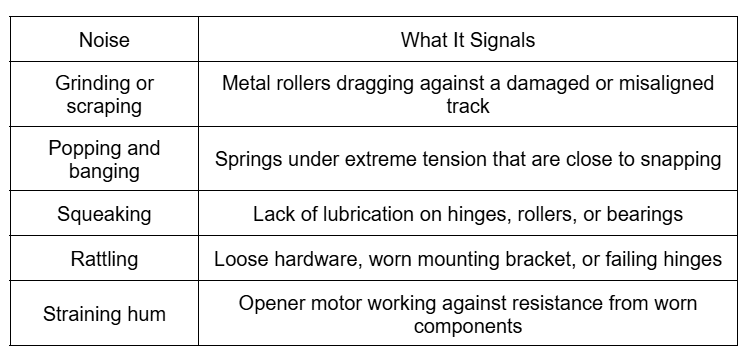
To trace each of these sounds back to its root cause, read our guide on What Causes Grinding, Squeaking and Popping Garage Doors, which connects every noise to the specific component responsible for it.
Key Safety Risks You Should Never Ignore from a Noisy Garage Door
Snapped Springs and Falling Doors
Springs carry the full weight of the door on every cycle, and a snap under extreme tension can bring a 300-pound door down without warning.
Signs a spring is close to failing:
- Loud banging or popping sounds mean springs are pushed beyond their limit
- Visible gaps in the spring coil mean the door is running without proper support
- One side rising higher than the other signals unbalanced spring tension
- Manual lifting feels unusually heavy due to the loss of spring support
- A door with no maintenance history is likely running on worn-out springs
Prompt broken garage door spring repair is the only way to prevent a failing spring from becoming a serious safety hazard.
Door Off Its Tracks
Worn or loose parts along the track system make the door physically unstable and unpredictable during every cycle.
Indicators of failing track integrity:
- Grinding or scraping sounds mean the rollers are dragging against a damaged track
- Visible gaps between the rollers and the track wall signal early separation
- Jerky or uneven movement points to rollers that are worn or incorrectly seated
- Loose hardware allows the entire track assembly to shift during operation
- A door stopping midway without an opener interference signals a track obstruction
Timely garage door track repair keeps a door that is losing track integrity from becoming a physical hazard during operation.
Motor Failure and Electrical Hazards
Persistent humming, straining, or grinding from the opener signals that the motor is compensating for mechanical issues elsewhere in the system.
Signs of opener and motor stress:
- Straining sounds during every cycle mean the motor is working beyond capacity
- Burning smells from the opener unit indicate internal components are overheating
- Flickering opener lights during operation point to electrical strain inside the unit
- An opener running without completing a full cycle is struggling against worn moving parts
- Repeated circuit breaker trips signal that the opener is drawing excessive power
Unaddressed motor stress creates electrical hazards that extend well beyond the garage itself.
Safety Sensor Malfunctions
Ongoing vibration from a noisy garage door knocks safety sensors out of alignment, preventing them from detecting obstacles.
Signs that sensors are no longer working correctly:
- Blinking indicator lights mean the beam connection has been interrupted
- A door reversing without any obstruction points to a misaligned sensor lens
- Sensors visibly tilted from their mount are no longer reading the full opening
- Closing attempts failing while opening works normally indicate a sensor issue
- Vibration from worn rollers and loose hardware causes sensors to drift
Garage door sensor repair restores the one component that stands between a closing door and anyone standing in its path.
Security Vulnerabilities
Rattling, screeching, or uneven movement signals that the door is no longer holding its position correctly and can no longer function as a reliable barrier.
Signs that the door’s security function is compromised:
- Visible gaps along the sides or bottom mean the seal has lost its flush fit
- Bent or warped panels reduce the door’s resistance to forced entry
- A wobbling door is no longer sitting squarely in the frame, weakening the lock
- Lock hardware rattling independently means the mounting points have lost their grip
- One side touching down before the other leaves a gap in the barrier
Structural weakness in a garage door makes the entire entry point vulnerable, putting the whole property at risk.
Why a Noisy Garage Door Is a Bigger Safety Risk in Spring Hill, Florida
Florida’s climate puts garage door components under conditions that accelerate wear far beyond what most systems are designed to handle.
Here is why local homeowners face a higher safety risk from a noisy garage door:
- High humidity speeds up rust formation on springs, rollers, and hinges
- Extreme heat causes metal parts to expand and increase friction with every cycle
- Plastic rollers crack and warp under intense temperatures, adding instability to every operation
- Seasonal storms introduce debris and moisture into tracks and hardware
- Year-round heavy usage gives components less recovery time between cycles
The local climate turns minor garage door noise into a compounding safety risk that worsens with every season.
What to Do and What to Avoid to Stay Safe from Garage Door Hazards
Knowing the right and wrong responses to a noisy garage door can mean the difference between a manageable fix and a preventable safety incident.
What to do:
- Stop using the door immediately if the noise is sudden, loud, or accompanied by visible misalignment
- Do a visual check of the rollers, hinges, and tracks for anything broken, bent, or out of place
- Apply garage door lubricant to the rollers, hinges, and springs if the noise sounds like squeaking or light grinding
- Contact a licensed garage door service professional if the noise does not improve after lubrication
What to avoid:
- Never attempt to adjust or replace torsion springs without professional training
- Avoid using WD-40 as a garage door lubricant because it strips protective coatings from metal parts
- Do not force the door open or closed manually if it feels stuck or off-balance
- Do not assume a new garage door sound will resolve on its own
Addressing the noise at the first sign of trouble is always less involved than waiting for a component to fail completely.
How a Noisy Garage Door Repair Can Prevent Serious Hazards
Timely noisy garage door repair addresses the root cause of every warning sound before the affected component reaches the point of failure.
Here is how prompt repair prevents serious hazards:
- Worn spring replacement eliminates the risk of a door dropping without warning
- Roller and track realignment restores controlled and predictable door movement
- Opener motor servicing prevents electrical strain from escalating into a fire hazard
- Sensor correction ensures the door reverses every time an obstacle is detected
- Hardware tightening removes the vibration that spreads wear across the entire system
Every noisy garage door repair completed at the first sign of trouble protects the components, the structure, and everyone who uses the door.
How Regular Maintenance Helps Avoid These Safety Risks
Regular garage door maintenance keeps every component operating within safe limits and prevents the kind of wear that turns minor noise into a serious hazard.
Here is how consistent maintenance reduces safety risks:
- Scheduled lubrication prevents metal-on-metal friction that accelerates wear on rollers and hinges
- Routine hardware tightening stops loose bolts from spreading vibration across the system
- Periodic track inspections catch alignment issues before the door binds or derails
- Regular opener checks confirm the motor is running within its designed capacity
- Annual professional inspections identify worn components before they fail
To keep your garage door running quietly and within safe operating conditions all year, explore our guide on How to Prevent Garage Door Noise with Regular Care, which covers the full maintenance routine every homeowner should follow.
A Noisy Garage Door Is a Safety Risk That Demands Immediate Action
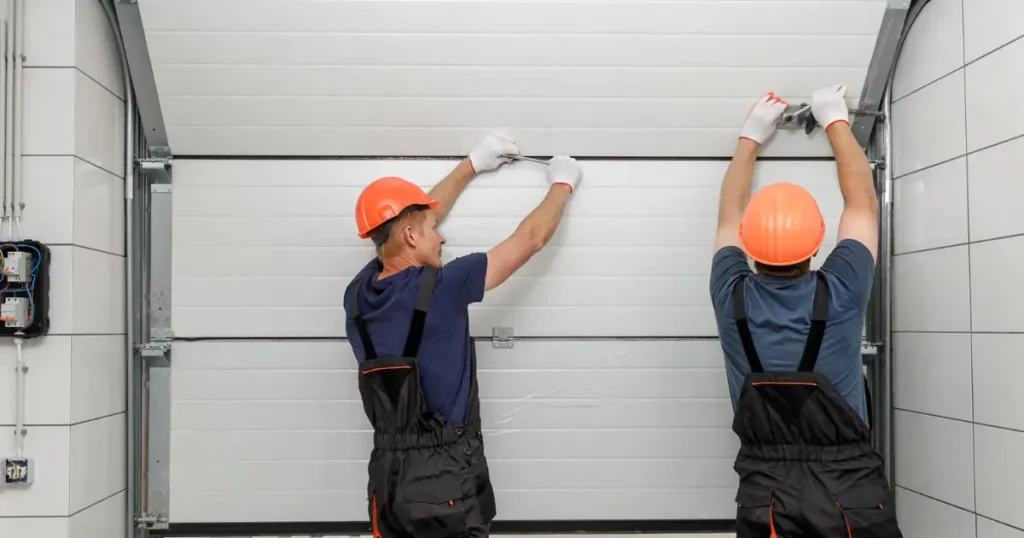
A noisy garage door is not just a minor inconvenience but a direct indicator that critical components are under stress and putting your household at risk. Understanding the key safety risks behind every sound your garage door makes lets you act before a warning sign becomes a real danger.
Florida Garage Door Pros is here to help you protect your home, your family, and your peace of mind through honest inspections, accurate diagnostics, and professional garage door services. Contact us or give us a call today, and let our team assess every safety risk your garage door system poses before it becomes something far more dangerous.
Frequently Asked Questions
Is it safe to walk under a garage door that has been making loud noises?
No. A door producing loud or unusual sounds may have components that are close to failure, and walking underneath it during operation puts anyone at direct risk. A professional inspection should be completed before the door is used normally again.
Can a noisy garage door cause a fire?
Yes. A strained opener motor, working against worn or unbalanced components, can overheat and create an electrical hazard in the garage. Burning smells or flickering lights coming from the opener unit are signs that this risk is already developing.
How quickly can a noisy garage door become a physical danger?
Some components, like springs, can fail without additional warning after producing noise for only a short period. The moment unusual sounds begin, the door should be inspected, as there is no predictable timeline for when a worn component will fail completely.
Can a noisy garage door pose a danger to children and pets?
Yes. Misaligned safety sensors caused by vibration from a noisy system will not detect a child or pet in the door's path. A door that cannot reverse on contact is a direct threat to anyone small enough to go undetected by a compromised sensor.
Does a noisy garage door affect the structural integrity of the door itself?
Yes. Persistent vibration and mechanical stress from a noisy garage door gradually weaken the connections between the panels, hinges, and frame that hold the entire structure together. A door that has been operating noisily for an extended period may already have internal damage that is not visible from the outside.
Can a noisy garage door put my home at risk of a break-in?
Yes. Noise from rattling panels, misaligned tracks, or worn locking hardware signals that the door is no longer sitting flush in its frame. A door that does not close and seal correctly is structurally easier to force open from the outside.
What happens to the garage door opener when the door is noisy?
An opener connected to a noisy garage door is constantly working against resistance from worn or unbalanced components. Over time, this shortens the motor's lifespan and increases the risk of electrical failure within the unit.
Can ignoring a noisy garage door lead to the door falling completely?
Yes. A door with failing springs, worn cables, or severely damaged rollers loses the mechanical support it needs to stay in place during operation. Without that support, the door can drop suddenly and without warning during any cycle.
At what point should a noisy garage door be considered a safety emergency?
A noisy garage door becomes a safety emergency when the door will not complete a full cycle, when a loud bang is followed by the door dropping or going off its tracks, or when the opener produces burning smells or visible sparks during operation.