Garage door springs fall into two main types, torsion and extension, and the two designs mount differently, behave differently under tension, and carry different lifespans and price points. Choosing the right spring type for a specific door weight directly affects how smoothly the door operates and how often it needs replacement.
Mounting location, tension behavior, cycle rating, cost, and overall safety profile separate these two spring types. This guide compares the two spring types across each of these factors, along with practical guidance on choosing between them for a replacement decision.
Key Takeaways
- Mounting location sets these two spring types apart immediately, with torsion springs above the door and extension springs along the side tracks.
- Torsion springs rely on twisting motion, while extension springs rely on stretching along a linear path to store the same tension.
- A higher cycle rating gives torsion springs the edge in overall lifespan compared to a standard extension spring.
- Extension springs win on upfront cost, though torsion springs often close the gap through fewer replacements over time.
- Gradual tension release makes torsion springs the safer choice if a spring failure does occur.
How Torsion and Extension Springs Compare
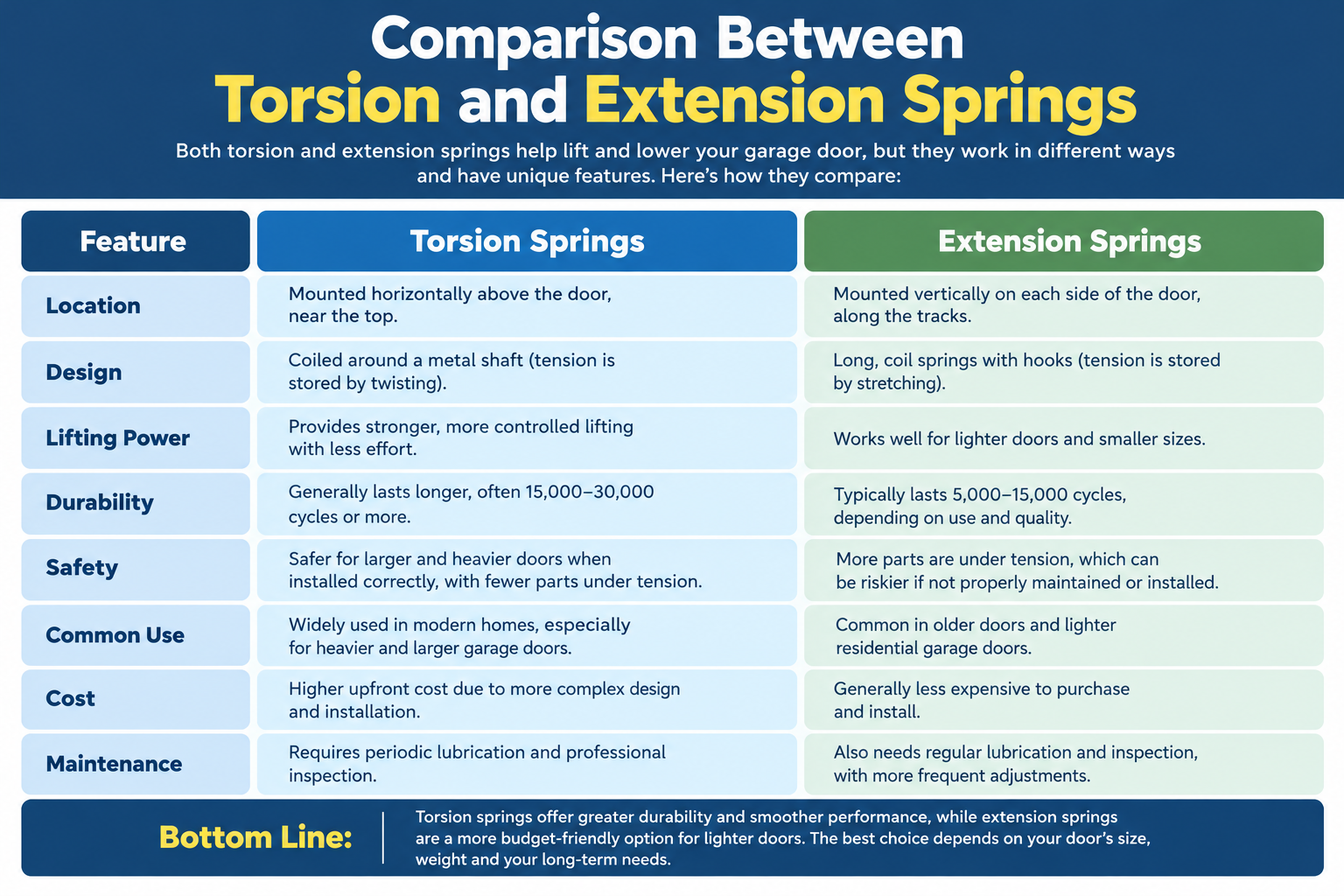
Placement and tension behavior separate these two spring types most, though cost and safety profile matter just as much when deciding for a household.
| Aspect | Torsion Springs | Extension Springs |
| Mounting Location | Above the door opening on a metal shaft | Along the horizontal tracks on the side of the door |
| Tension Behavior | Twists to store tension as the door closes | Stretches to store tension as the door closes |
| Cycle Rating | 10,000 to 20,000 cycles on average | Around 10,000 cycles on average |
| Upfront Cost | Higher initial cost, lower long-term expense | Lower initial cost, more frequent replacement |
| Safety Profile | High tension, generally safer with a properly balanced door | Extreme tension when stretched, requires a safety cable |
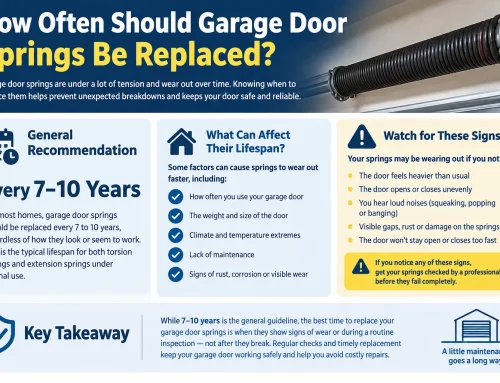
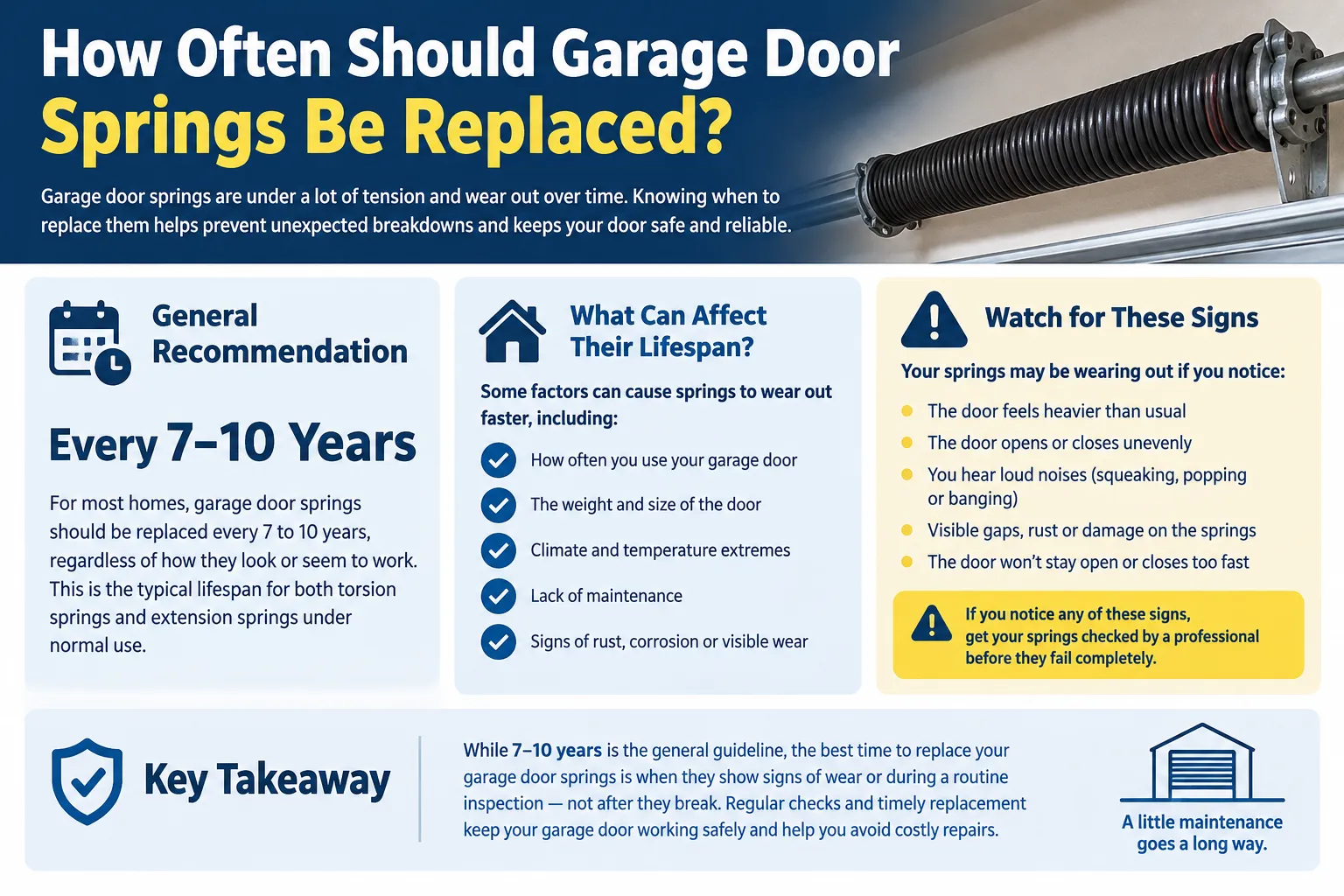
To understand exactly how often each spring type needs replacing once installed, read our guide on How Often Should Garage Door Springs Be Replaced?, which walks through cycle ratings and expected lifespans for every spring type in detail.
Mounting Location
Where a spring mounts affects how much clearance the door and opener hardware actually have to work with inside the garage.
Mounting location shapes how each type stores tension:
- Torsion Springs: Mount on a metal shaft centered above the door opening. The shaft holds one or two springs that wind and unwind as the door moves through its full cycle.
- Extension Springs: Mount along the horizontal tracks on each side of the door. They typically work in pairs, one on each side, stretching and contracting as the door opens and closes.
Overhead doors built with a torsion setup tend to leave more clearance along the side tracks for installing the garage door opener hardware.
Tension Behavior
Twisting and stretching describe the two very different ways these spring types store and release energy during every open-and-close cycle.
Each spring type stores tension in a different way:
- Torsion Springs: Store energy by twisting around a central metal shaft. As the door closes, the spring winds tighter; as it opens, the spring unwinds to deliver smooth, controlled rotational torque.
- Extension Springs: Store energy by stretching and contracting along a linear path. They extend when tension is applied and contract to pull the door back as it closes.
A properly balanced door depends on tension releasing evenly, which torsion springs generally handle with more consistency than extension springs.
Cycle Rating and Lifespan
Cycle count decides how long either spring type lasts, and torsion springs consistently outperform extension springs across most rated ranges.
Average lifespan varies significantly between the two types:
- Torsion Springs: Rated for 10,000 to 20,000 cycles on average, translating to roughly 7 to 12 years depending on daily use. Heavier doors and frequent use push toward the shorter end of that range.
- Extension Springs: Rated for around 10,000 cycles on average, translating to roughly 3 to 7 years depending on daily use. Heavy use shortens this lifespan further.
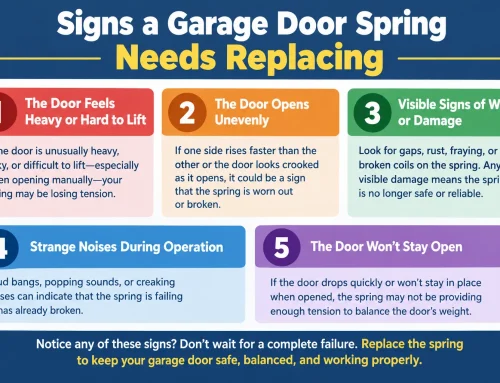
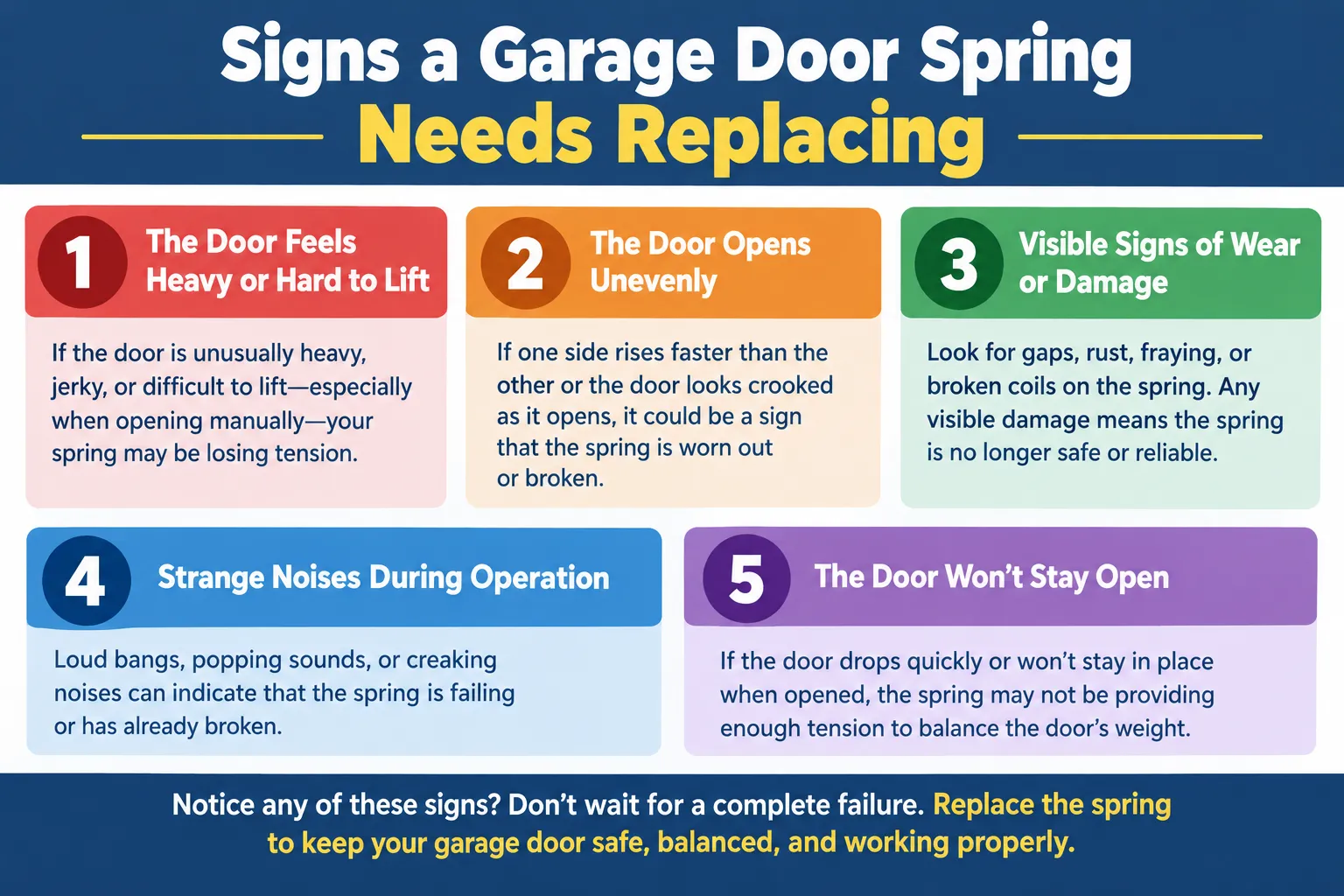
To learn the specific warning signs that appear as either spring type nears the end of its lifespan, read our guide on Signs a Garage Door Spring Needs Replacing, which covers exactly what to watch for before a full failure occurs.
Cost
Garage door spring installation pricing depends heavily on which spring type a technician recommends for a specific door.
Upfront and long term costs tell two different stories:
- Torsion Springs: Cost more upfront because they require more complex mounting hardware and a metal shaft. This cost often balances out through a longer lifespan and fewer replacement visits.
- Extension Springs: Cost less at initial installation, making them a common choice for tighter budgets. This type requires more frequent replacement, which adds to long-term costs.
Extra strain from frequent daily use can push total extension-spring costs well above torsion-spring costs within just a few years.
Safety Profile
Both spring types store dangerous amounts of tension, though the way that tension releases if something fails differs significantly between the two designs.
Safety risk differs once tension is involved:
- Torsion Springs: Release stored tension more gradually if a failure occurs, since the shaft controls the motion. This generally makes torsion springs the safer option when properly installed.
- Extension Springs: Can release tension suddenly if they fail, creating a serious injury risk without a properly installed safety cable. The cable helps contain sudden release and prevent the spring from becoming a projectile.
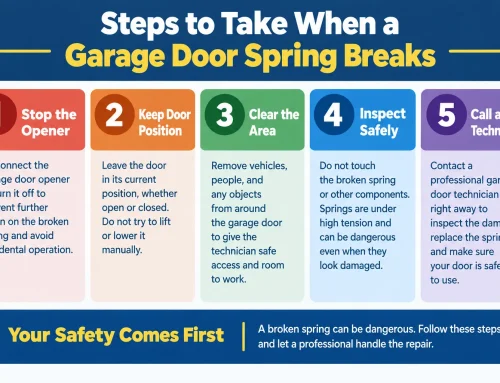
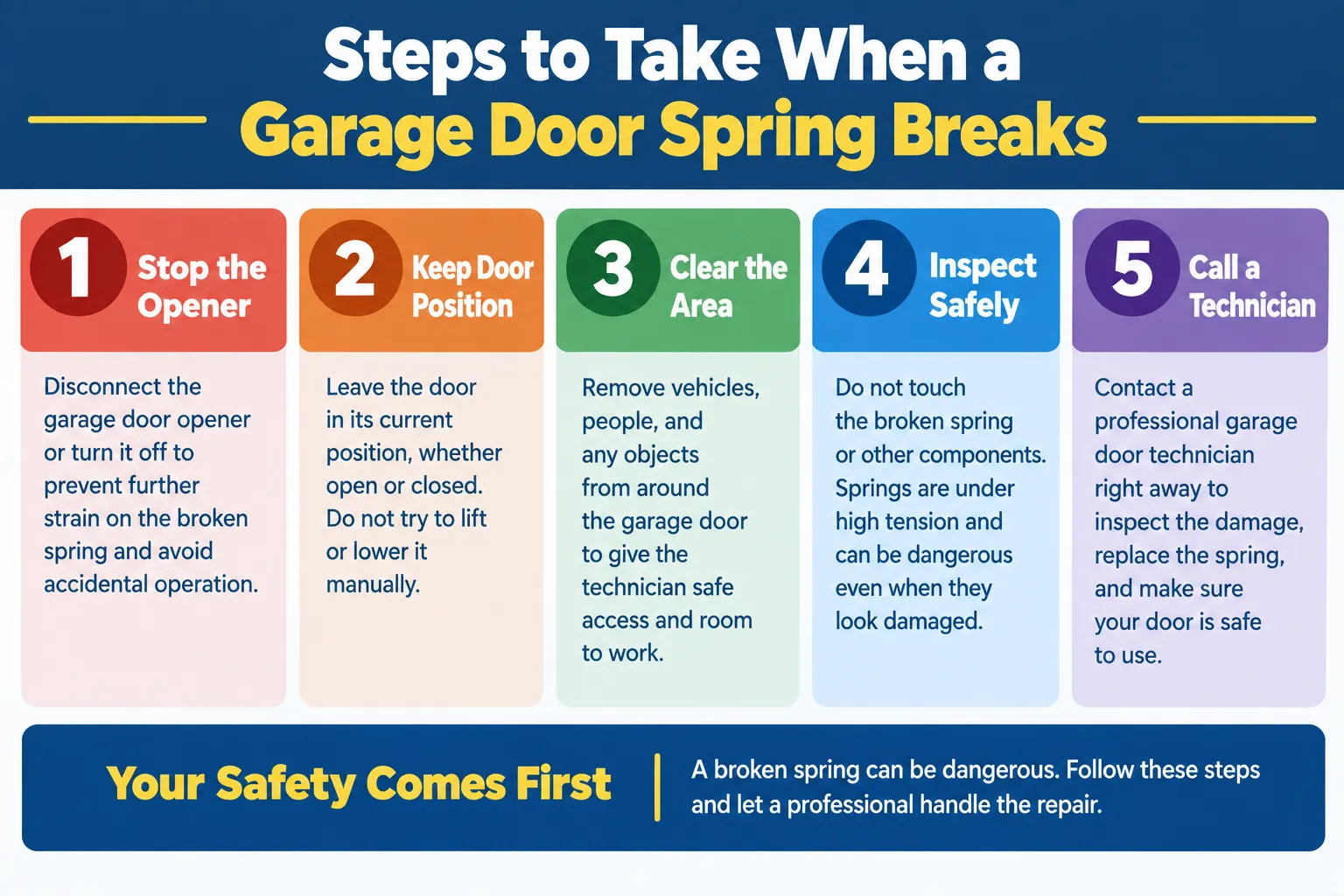
To walk through exactly what to do the moment either spring type fails, read our guide on Steps to Take When a Garage Door Spring Breaks, which covers the safety steps that apply regardless of spring type.
Choosing the Right Spring Type for Your Garage Door
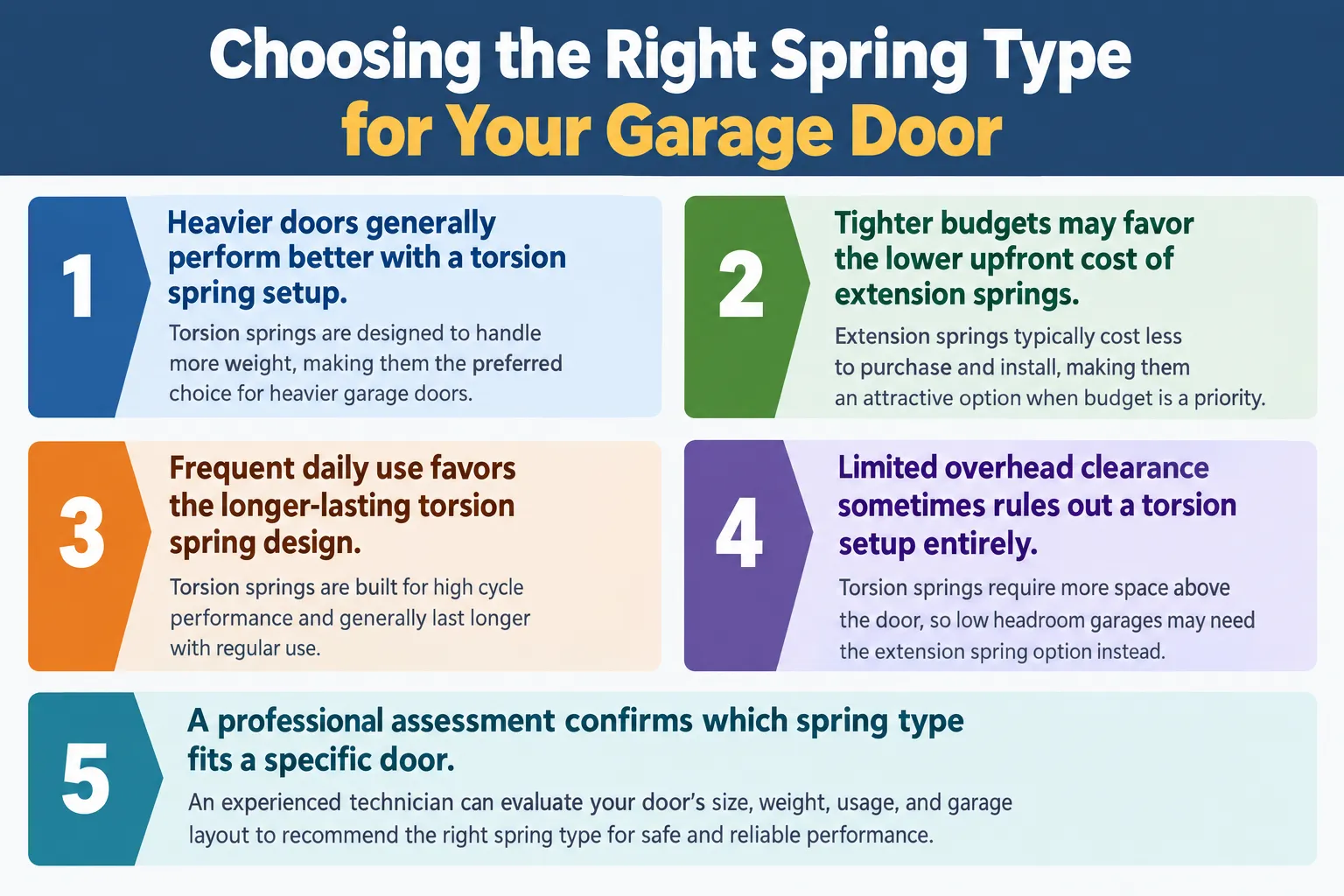
No single spring type fits every household, since the right choice depends on how the door gets used day to day and what the garage itself can accommodate.
Weigh these specific factors before choosing a spring type:
- Heavier doors generally perform better with a torsion spring setup.
- Tighter budgets may favor the lower upfront cost of extension springs.
- Frequent daily use favors the longer-lasting torsion spring design.
- Limited overhead clearance sometimes rules out a torsion setup entirely.
- A professional assessment confirms which spring type fits a specific door.
Garage door repair technicians can assess door weight and usage patterns before recommending a replacement spring type.
Torsion Springs Offer the Stronger Long-Term Choice for Most Doors
Torsion springs generally outperform extension springs in lifespan, safety, and long-term cost, even though extension springs have a lower upfront price tag. A household weighing daily use and door weight against budget usually finds the torsion option worth the added initial expense.
Florida Garage Door Pros helps households across Brooksville, FL choose the right spring type based on door weight, usage patterns, budget, and garage setup. Contact us or give us a call today, and let our trained technicians confirm which spring setup best fits your garage door.
Frequently Asked Questions
Are extension springs less safe than torsion springs?
Extension springs carry a higher risk of sudden release if they fail, since stretched tension can send the spring flying without a properly installed safety cable, creating a real safety hazard. Torsion springs generally release tension more gradually, offering a safer overall profile.
Why do torsion springs cost more upfront than extension springs?
Torsion springs require more complex mounting hardware and a metal shaft above the door, which raises the initial installation cost compared to standard extension springs. The higher upfront cost often pays off with longer spring life and fewer replacements over time.
Can a garage door use both torsion and extension springs?
A garage door typically uses one spring type across the entire system, not a mix of both, since the two designs mount and function differently. Some older doors originally built with extension springs can be upgraded to a torsion setup during a full spring replacement.
Does door weight affect which spring type works best?
Heavier doors generally perform better with a torsion spring setup, since torsion springs handle the door's weight more efficiently than a distributed extension setup. A professional assessment of door weight helps confirm the right spring type for a reliable garage door.
How can a homeowner tell which spring type is currently installed?
Torsion springs sit visibly above the door opening on a metal shaft, while extension springs run along the horizontal tracks on either side of the door. A quick visual check of the different sections of the door usually confirms which type is currently installed without needing any tools.
Do extension springs need a safety cable?
Extension springs should always include a safety cable, since the tension released during sudden failure can send the spring across the garage without one. This cable significantly reduces the risk tied to a broken spring and the heavy lifting the door suddenly demands without it.
Is it worth upgrading from extension springs to torsion springs?
Upgrading to torsion springs, which twist rather than stretch, often makes sense for households with heavy daily use, since the longer lifespan and smoother operation offset the higher initial cost over time. A professional can assess whether an upgrade fits a specific door and budget.
What causes a torsion spring to fail earlier than expected?
Cold weather, poor installation, and a lack of proper maintenance can all cause a torsion spring to fail before it reaches its full rated cycle count. Extreme temperatures and additional strain from heavy use can also push a spring toward the end of its lifespan sooner than expected.
Do both spring types require the same maintenance routine?
Both torsion and extension springs benefit from regular maintenance, including lubrication and periodic checks for rust or wear. Extension springs may need slightly more frequent checks because they have a shorter lifespan and wear faster under regular use.